The best time to visit Colorado mountains depends on your desired activities; winter sports enthusiasts should visit between December and April for the most reliable skiing conditions. Those seeking peak fall foliage should plan their trip for late September, while summer visitors will find the most accessible hiking trails and mildest high-altitude weather.
Planning a trip to the Colorado high country without accounting for extreme elevation often leads to missed expectations. You might arrive in late May expecting spring wildflowers only to find several feet of stubborn snow; alternatively, you could miss the peak of the golden aspens by a single week. At Bearview Lodge, situated at an altitude of 10,500 feet, we understand that the mountain calendar dictates every outdoor pursuit. Timing your visit is the difference between a successful summit and a restricted trailhead. This guide provides a practical look at the seasonal shifts in Alma and the Collegiate Peaks. We will cover the reality of our notorious mud season, the best windows for hiking local 14ers, and essential packing strategies for our volatile climate. Whether you seek deep winter powder or crisp autumn air, you will learn how to align your itinerary with the true rhythms of the Rockies.
Navigating the High Country Climate at 10,500 Feet
Determining the best time to visit Colorado mountains requires a clear understanding of your specific travel objectives. At Bearview Lodge, we advise guests that the ideal window shifts based on whether the goal is world class skiing, technical alpine hiking, or the quiet solitude of the shoulder season.
Alma holds the distinction of being the highest incorporated town in North America, sitting at an elevation of 10,578 feet. This altitude creates a climate that is far more intense than what you will find in Denver or even lower mountain communities like Silverthorne. At this height, the atmosphere is thinner and the weather patterns are more volatile. While the foothills might experience a mild spring afternoon, Alma often remains under several feet of snow; this illustrates how elevation dictates every aspect of the local environment.
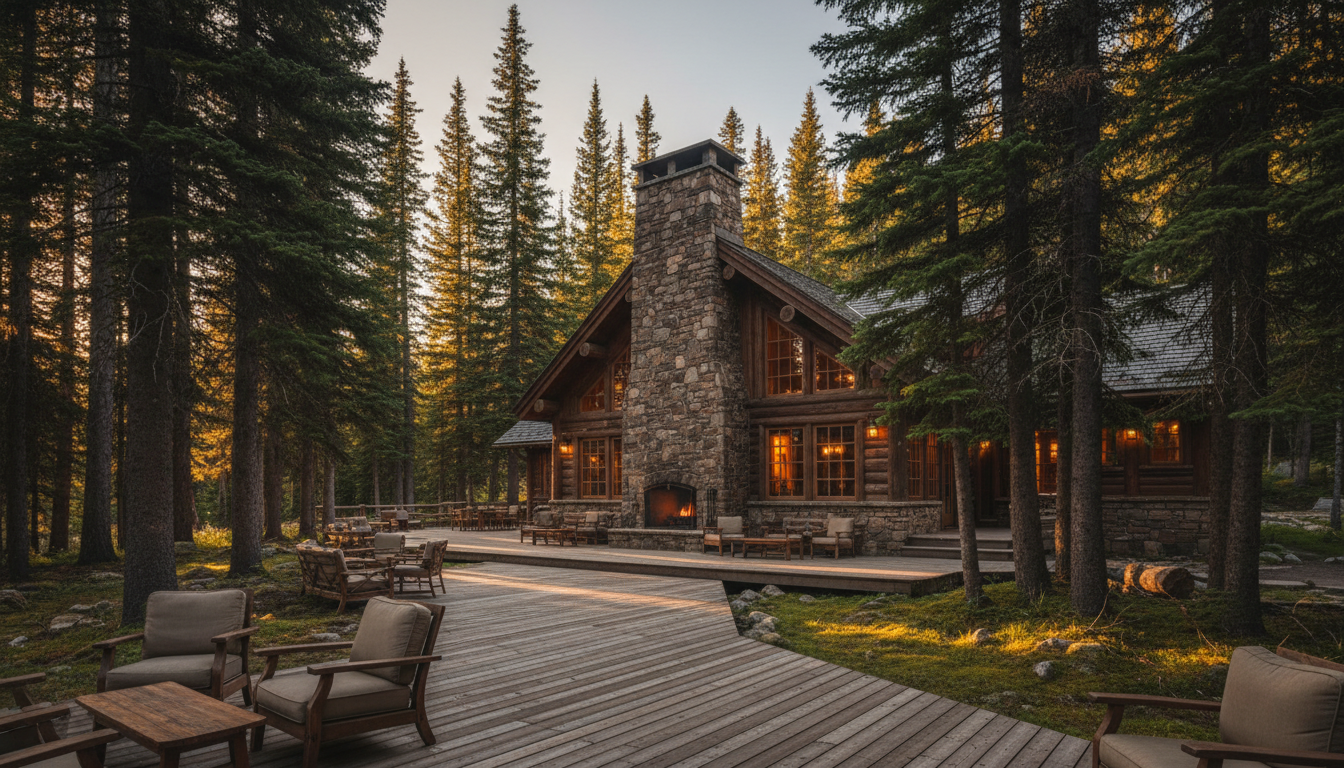
Our premier Alma Colorado accommodations are situated at the threshold of the Collegiate Peaks and just a short drive from the resort amenities of Breckenridge. This location provides a unique vantage point where the weather is influenced by the surrounding 14,000 foot summits. Understanding these high altitude nuances is the first step in planning successful mountain adventures. Visitors should consult our guest guide to the high country to prepare for the rapid temperature swings and high UV exposure that define life above 10,000 feet. Every season here offers a distinct experience, but each requires a different level of preparation to fully enjoy the rugged beauty of the Mosquito Range.
Winter in Alma (December to March): The Ultimate Snow Experience
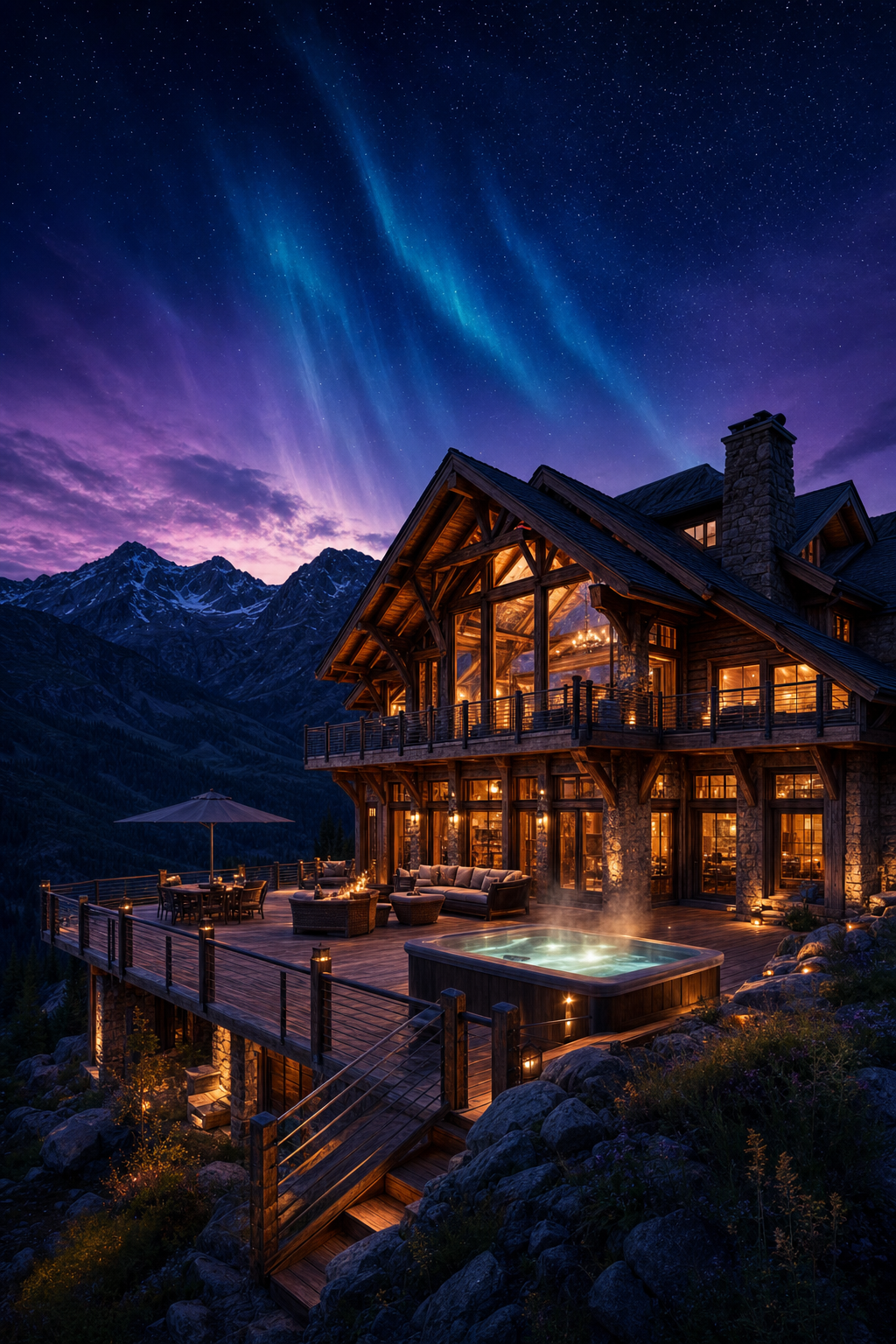
The window from late December through March represents the quintessential high-country experience. During these months, the Mosquito Range is blanketed in consistent, dry powder, making it the best time to visit Colorado mountains for dedicated snow enthusiasts. While the world-class slopes of Breckenridge are located just 30 minutes away via Hoosier Pass, staying in Alma offers a distinct advantage. Guests enjoy the proximity to resort amenities while retreating to the silence of a private, 3,000 square foot luxury residence at the end of the day.
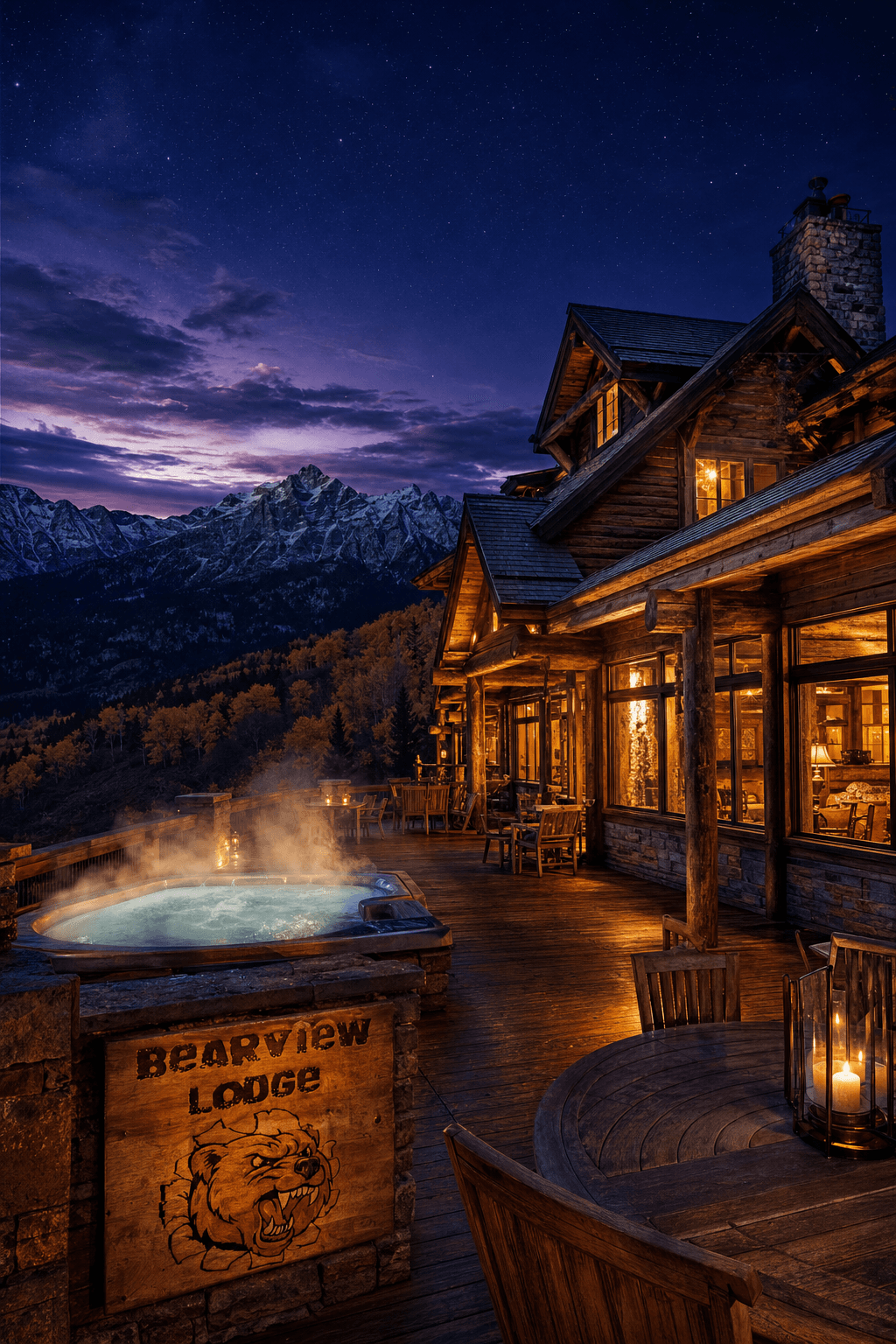
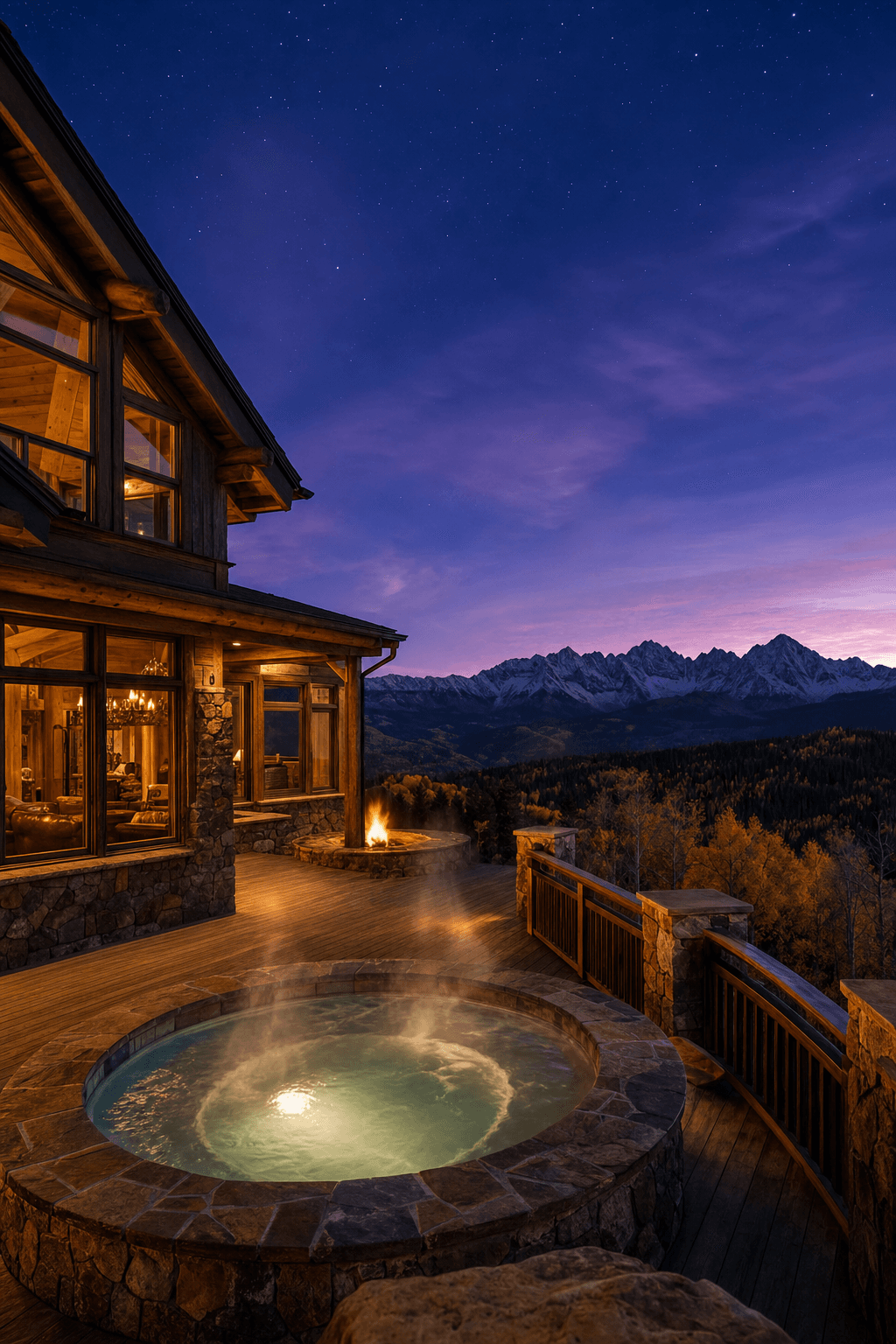
Navigating this season requires specific logistical preparation. A 4WD or AWD vehicle with high clearance and appropriate winter tires is essential for managing the steep grades and frequent snowfall on local roads. The reward for this preparation is unparalleled. After a day spent navigating the technical terrain of the Tenmile Range, the transition to the lodge's private hot tub provides immediate physical relief. Positioned on our 1,000 square foot wrap-around deck, the tub serves as a front-row seat to the Collegiate Peaks under a canopy of stars.
Winter in Alma is not solely defined by downhill sports. The thinning crowds of the mid-winter months create a perfect environment for quiet mountain adventures like snowshoeing directly from the property or exploring the backcountry trails near Kite Lake. For those who prefer to stay indoors during a heavy storm, the full game room offers a sophisticated space for group entertainment without leaving the warmth of the lodge. At 10,578 feet, the air is exceptionally clear; on moonless nights, the Milky Way is visible with startling clarity from the deck. This combination of high-octane recreation and restorative solitude is what defines our premier Alma Colorado accommodations. For a detailed list of winter safety protocols and equipment recommendations, visitors should review our guest guide to the high country before their arrival.
What is Mud Season in the Colorado Mountains?
A common question among travelers is, "What is mud season in Colorado?" In high-altitude communities like Alma, this period typically begins in mid-April as ski resorts wind down operations and lasts until late May. During these weeks, the winter snowpack begins a slow melt, which makes high-alpine trails impassable and creates slushy conditions on unpaved roads.
While this period is not the best time to visit Colorado mountains for technical hiking or skiing, it offers a specific appeal for those seeking a restorative retreat. Guests who choose our premier Alma Colorado accommodations during this window benefit from significantly lower lodging rates and a total absence of crowds in nearby resort towns.
Factor | Mud Season Reality |
|---|---|
Hiking Trails | Frequently closed or excessively muddy to prevent erosion. |
Crowd Density | Lowest of the year; no wait times at local restaurants. |
Lodging Rates | Generally at their most competitive annual levels. |
Recreation | Focused on wellness, hot springs, and indoor luxury amenities. |
This is an ideal season for a wellness-focused getaway. The lodge becomes a sanctuary for reading by the fireplace or spending extended time in the private hot tub while watching the peaks shed their winter coat. It is also an excellent time to visit the nearby hot springs in Buena Vista, where the thermal waters provide a stark, pleasant contrast to the cool spring air. For those planning a spring visit, reviewing our guest guide to the high country will help in managing expectations for trail closures and shifting local business hours.
Summer in the Collegiate Peaks (June to August): Hiking and 14ers
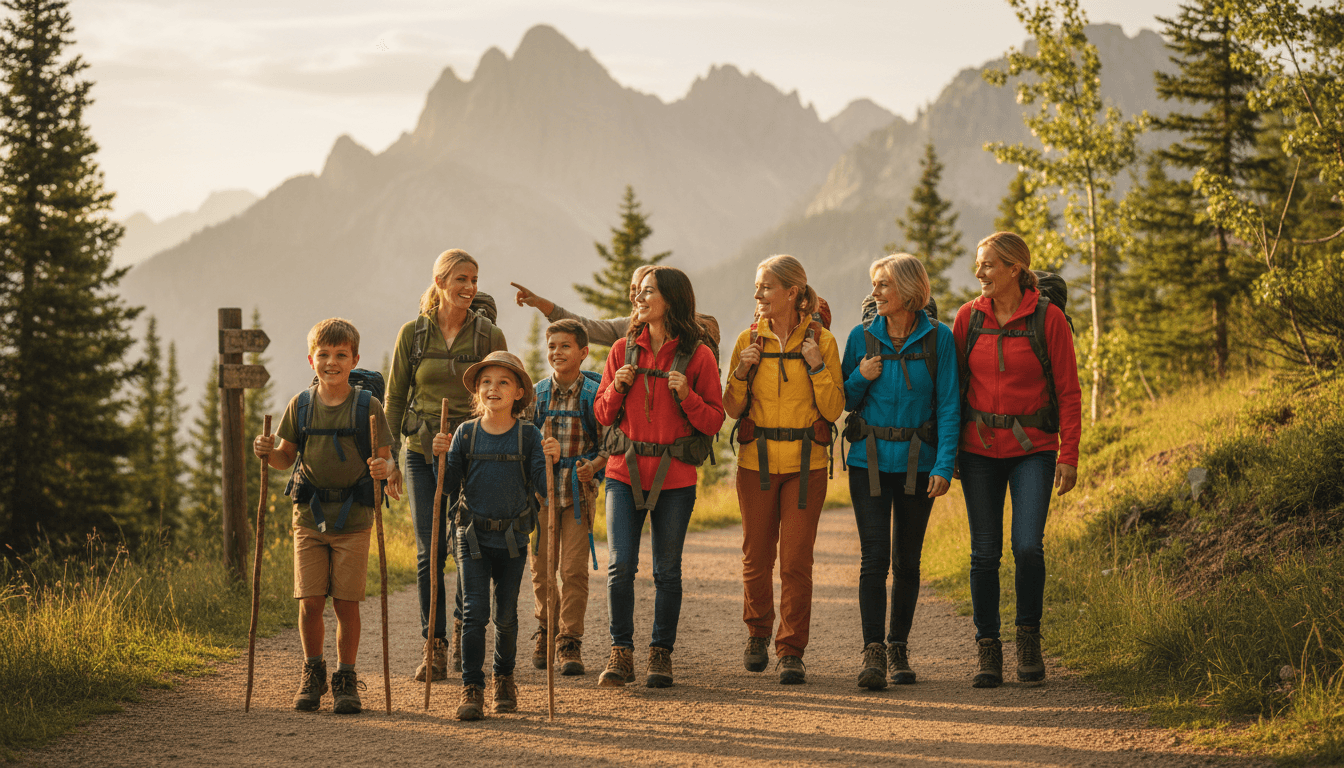
As the ground finally dries in June, Alma transforms into a basecamp for world-class trekking. This is widely considered the best time to visit Colorado mountains for those intent on conquering the state’s famous 14,000-foot summits. The crown jewel of local hiking is the Decalibron Loop, accessed via Kite Lake just a short drive from the lodge. This high-alpine trek offers a rare opportunity to summit Mounts Democrat, Lincoln, and Bross in a single outing, providing some of the most efficient peak-bagging in the country.
Travelers should be aware that at 10,578 feet, the seasons are delayed. Even in late June, substantial snowfields often linger on northern aspects and high ridges. We advise consulting our guest guide to the high country for current trail conditions before attempting the loop, as technical equipment like microspikes may still be necessary until the July sun fully clears the path. This lingering snowmelt contributes to a lush, albeit short, wildflower season that peaks in mid-July.
The primary appeal of an Alma summer is the dramatic climate relief it provides. While Denver and the Front Range frequently endure temperatures in the 90s, the elevation at our premier Alma Colorado accommodations keeps daytime highs in the comfortable 60s and 70s. This natural cooling allows for strenuous mountain adventures without the risk of heat exhaustion found at lower altitudes.
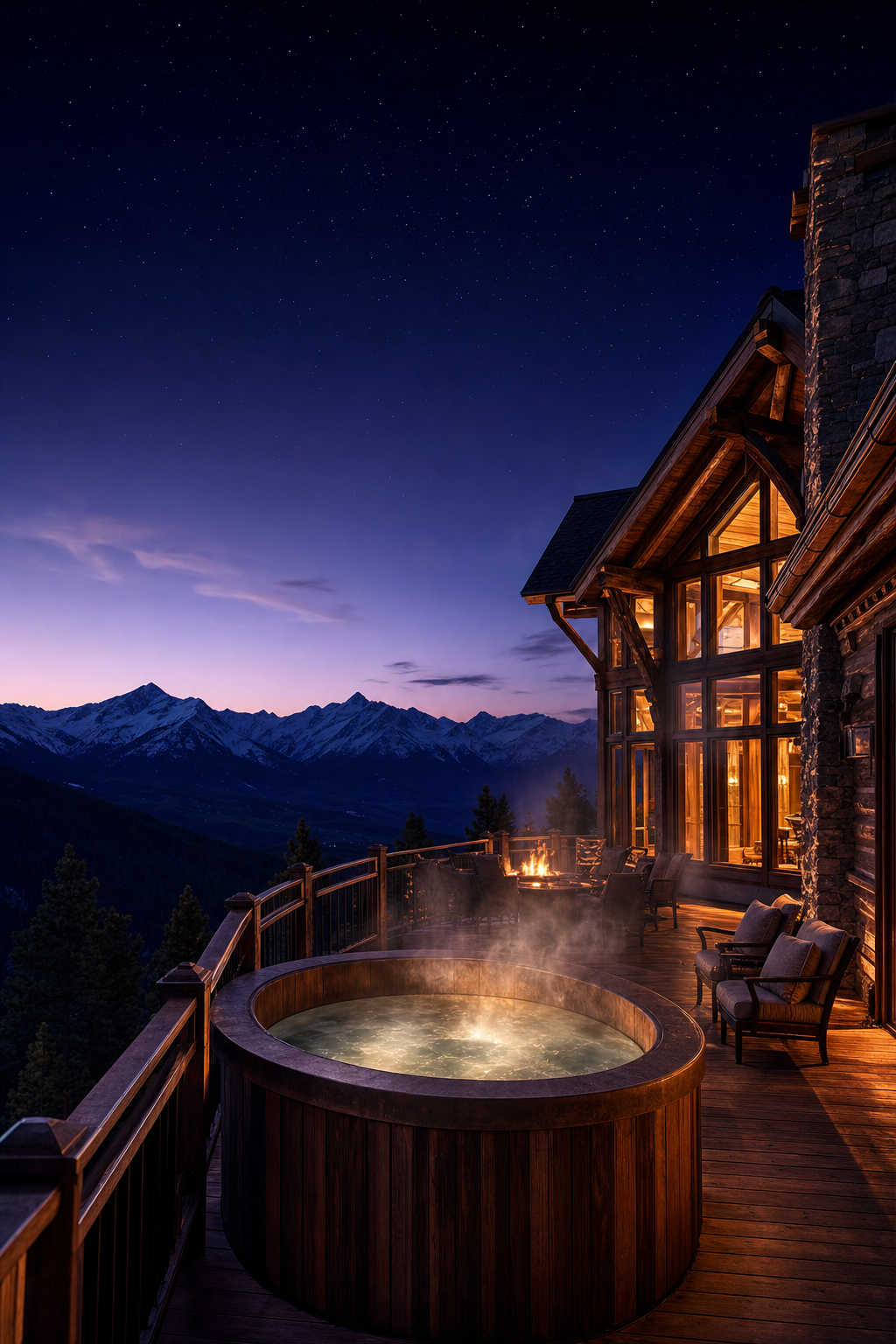
By July, the snowmelt fuels the Arkansas River, making it a prime month for whitewater rafting in nearby Buena Vista. After a day of navigating Class III rapids or descending from a 14er, guests return to the lodge to recover. The 1,000 square foot wrap-around deck becomes the central hub for evening relaxation. The cool mountain air at this altitude is best enjoyed from the private hot tub, where the panoramic views of the Collegiate Peaks remain clear and crisp long after the sun sets.
Fall Foliage and Golden Aspens (September to October)

As the intense recreation of summer fades, the landscape surrounding Bearview Lodge undergoes a dramatic shift. For travelers tracking the best time to visit Colorado for fall colors, the window at 10,578 feet is significantly earlier than in Denver or the lower foothills. Due to the high elevation, the aspen groves typically reach their peak gold and orange hues between mid-September and the final days of the month. The cool overnight temperatures trigger the change in the foliage long before the lower valleys catch up.
We recommend guests utilize the lodge as a base for specific scenic routes. A drive over Hoosier Pass toward Breckenridge offers panoramic views where the golden aspens contrast sharply against the dark evergreens and the grey granite of the Mosquito Range. For photographers, the nearby ghost town of Buckskin Joe provides a textured backdrop for capturing the season; the weathered timber of historic structures pairs perfectly with the vibrant fall canopy.
October serves as a secret season for those who prioritize crisp, dry air and absolute quiet. During this month, the golden leaves often give way to the first dustings of snow on the Collegiate Peaks, creating a striking visual contrast. While daytime temperatures remain pleasant for light mountain adventures, the evenings on our 1,000 square foot wrap-around deck require heavier layers. Staying at our premier Alma Colorado accommodations during this period offers a final opportunity for high-alpine reflection before the heavy winter snowpack arrives. Travelers should consult our guest guide to the high country for specific advice on navigating the unpredictable weather shifts that characterize these transitional months.
Which Month Has the Best Weather in Colorado?
Determining which month has the best weather in Colorado depends on your tolerance for risk versus your desire for warmth. For travelers seeking the most stable atmospheric conditions, September is the premier choice and arguably the best time to visit Colorado mountains. During this month, the high-pressure systems over the Mosquito Range typically lead to crystal-clear skies and a significant reduction in precipitation. This stability is vital for those embarking on mountain adventures like summiting 14ers, where predictable weather is a safety requirement.
July offers the warmest temperatures, making it a favorite for guests at our premier Alma Colorado accommodations who want to maximize their time on the wrap-around deck. However, July and August are defined by the North American Monsoon pattern. This brings predictable afternoon thunderstorms that can build rapidly over the Collegiate Peaks. Visitors must plan to be off high ridges by noon to avoid lightning strikes. We cover these risks extensively in our guest guide to the high country, specifically focusing on thunderstorm safety and rapid descent protocols.
Essential Packing Tips for High Altitude Getaways
Preparing for the high country requires a tactical approach to clothing. At 10,578 feet, the temperature can plummet 30 degrees the moment a cloud passes or the sun dips behind the Collegiate Peaks. A three layer system is the standard for mountain adventures here. This consists of a moisture wicking base, an insulating mid layer like a heavy fleece, and a windproof outer shell. Even during the warmest July afternoons, guests at our premier Alma Colorado accommodations will find that a warm jacket is necessary to enjoy the 1,000 square foot wrap-around deck once evening arrives.
Beyond clothing, environmental factors demand specific gear. The atmosphere is significantly thinner at this elevation, meaning UV rays are far more intense than at sea level. High SPF sunscreen and polarized sunglasses are non-negotiable for all seasons. Additionally, hydration is critical for acclimating to the altitude. We recommend increasing water intake and including electrolytes to mitigate the effects of the thin air. For a comprehensive checklist of seasonal gear, consult our guest guide to the high country before departing. Understanding these logistics ensures that your chosen best time to visit Colorado mountains is spent in comfort rather than recovery.