Practicing proper Colorado summer thunderstorms hiking safety requires finishing high-altitude treks and returning below the treeline by noon to avoid midday lightning. Hikers should spread out at least twenty feet apart during active storms and wait thirty minutes after the final thunder clap before continuing. These precautions, combined with early morning starts, significantly reduce the risk of lightning strikes on exposed peaks.
There is nothing more humbling than watching a crystal blue morning above Alma transform into a volatile, lightning filled sky before you have even reached the summit. For many hikers visiting the high country, the rapid onset of Colorado monsoon storms is a source of genuine anxiety that can turn a bucket list adventure into a dangerous situation. Understanding these patterns is vital because at 10,578 feet, you are often the most exposed point on the landscape. This guide provides the expert knowledge you need to navigate our unique alpine environment with confidence. You will learn the critical Noon Rule for hiking the Decalibron Loop, practical strategies to prevent altitude sickness, and the essential gear required for high altitude trekking. By mastering these safety protocols, you can enjoy the rugged beauty of the Mosquito Range while ensuring a safe return to the lodge.
The Reality of Summer in the High Country at 10,578 Feet
Summer at Bearview Lodge offers a reprieve from the oppressive heat found in the lower valleys. At an elevation of 10,578 feet, Alma provides crisp mornings and daytime temperatures that rarely climb past a comfortable 70 degrees. Guests at this premier Alma Colorado vacation rental typically begin their day on the 1,000 square foot wrap-around deck, enjoying the panoramic views of the Collegiate Peaks in total stillness. However, the high country operates on its own atmospheric schedule. The same thin air that provides stunning clarity also facilitates rapid weather shifts that catch unprepared visitors off guard.
The Colorado monsoon season typically defines July and August. While a morning may start with cloudless blue skies, the atmosphere two miles above sea level is highly volatile. By midday, intense solar heating often triggers sudden, violent weather patterns. Understanding Colorado summer thunderstorms hiking safety is the most critical component of planning your itinerary. Preparation is the deciding factor between a successful summit and a life-threatening situation. When you are standing on the exposed ridges of the Decalibron Loop, the transition from mild sunshine to a lightning-rich storm happens in minutes. Proper timing is essential, as detailed in our Bearview Lodge Guest Guide for those looking to explore the surrounding 14ers safely.
Understanding the Colorado Monsoon Season and Afternoon Storms
The North American Monsoon is a seasonal weather shift that dictates life in the high country during July and August. During this period, moist air flows into the region and interacts with the steep topography of the Collegiate Peaks to create consistent, predictable cycles of precipitation. For visitors staying in Alma, this means the mountain ranges average between 54 and 72 thunderstorm days per year. These are not typically all day rain events; they are intense, localized cells that form directly over the high ridges surrounding the lodge.
Travelers often ask, "What time do thunderstorms start in Colorado?" In the vicinity of the Decalibron Loop, the timeline is remarkably consistent. A typical day begins with clear, cloudless skies that suggest perfect hiking conditions. However, by 11:00 AM, cumulus clouds usually begin to build or vertically stack over the summits. By 1:00 PM to 3:00 PM, these clouds frequently transform into active thunderstorms producing heavy rain, hail, and frequent lightning. Understanding this cycle is the foundation of Colorado summer thunderstorms hiking safety.
Because the peaks of Mt. Lincoln and Mt. Democrat reach over 14,000 feet, they often generate these storms before the lower valleys feel the effects. If you are planning to use our Beginner Guide to Hiking Your First Colorado 14er, you must recognize that the weather window closes early. The rapid cooling that follows a storm can drop temperatures by 20 degrees in minutes, turning a mild afternoon into a chilly environment even if the sun was out just moments before.
Colorado Summer Thunderstorms Hiking Safety: The Noon Rule
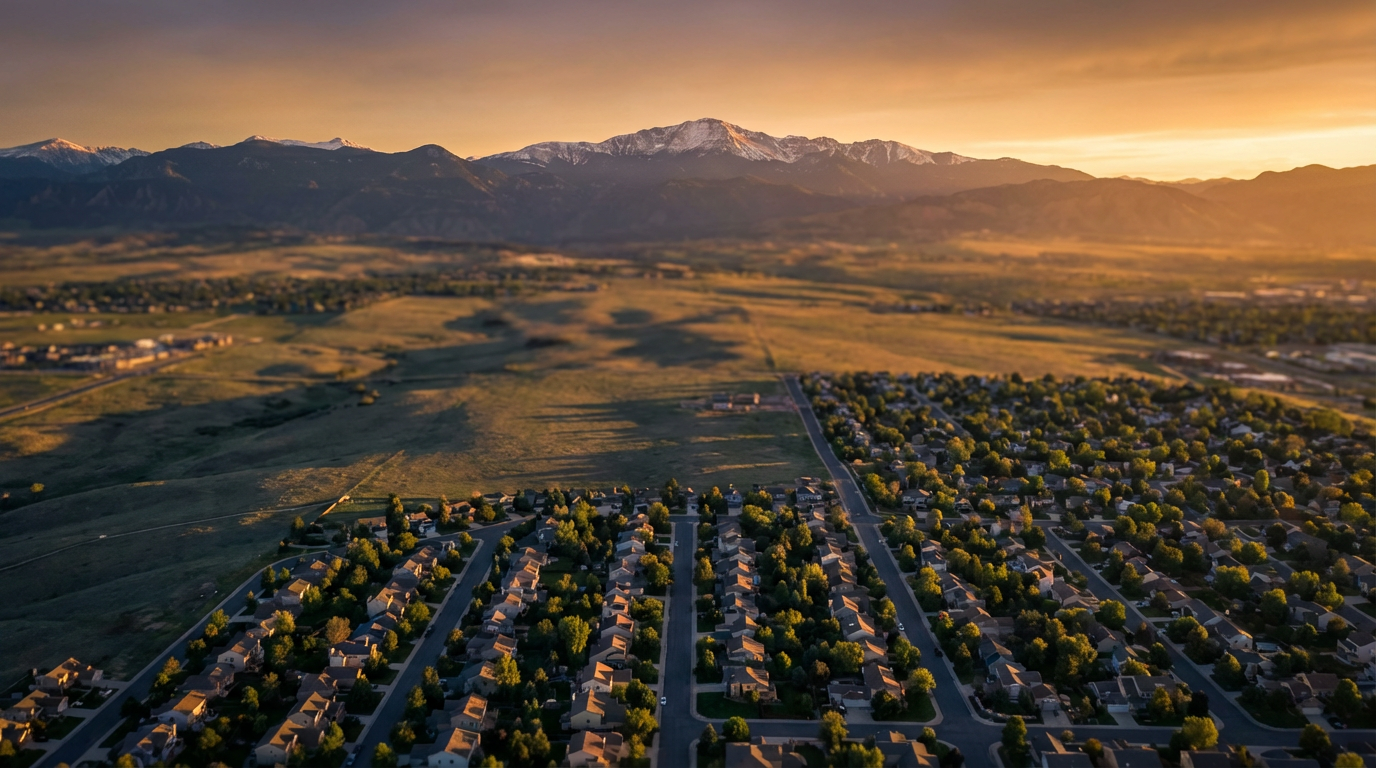
The predictability of these weather patterns has given rise to a non-negotiable standard known among locals as the "Noon Rule." To ensure Colorado summer thunderstorms hiking safety, you must aim to be off the summit and back below the treeline by 12:00 PM. In the Alma region, the treeline typically sits between 11,500 and 12,000 feet. Below this mark, the density of subalpine fir and Engelmann spruce provides a degree of protection; by contrast, the alpine tundra above is entirely exposed. If you are still above the trees when clouds begin to darken, you are in a high-risk zone for a lightning strike.
Lightning safety follows the 30/30 rule. If you see a flash and hear thunder in less than 30 seconds, the storm is within six miles and you need to seek immediate shelter. Once the storm appears to have passed, you must remain in a safe position for at least 30 minutes after the final clap of thunder. Lightning can strike up to 10 miles away from the rainfall, making the tail end of a storm just as dangerous as the beginning. These safety protocols are further detailed in the Bearview Lodge Guest Guide to help visitors navigate the unique challenges of the Collegiate Peaks.
If a storm catches your group in an exposed area with no time to reach the trees, spacing is vital. Hikers should maintain a distance of at least 20 feet from one another. This separation prevents "side flash," where a single bolt hitting one person or the ground nearby travels to others in the group. While these precautions may seem intense, they are standard protocols for navigating the high-altitude terrain surrounding our Premier Alma Colorado vacation rental. For more detailed preparation on specific local routes, consult our Beginner Guide to Hiking Your First Colorado 14er.
Hiking the Decalibron Loop: Timing Your 14er Summit
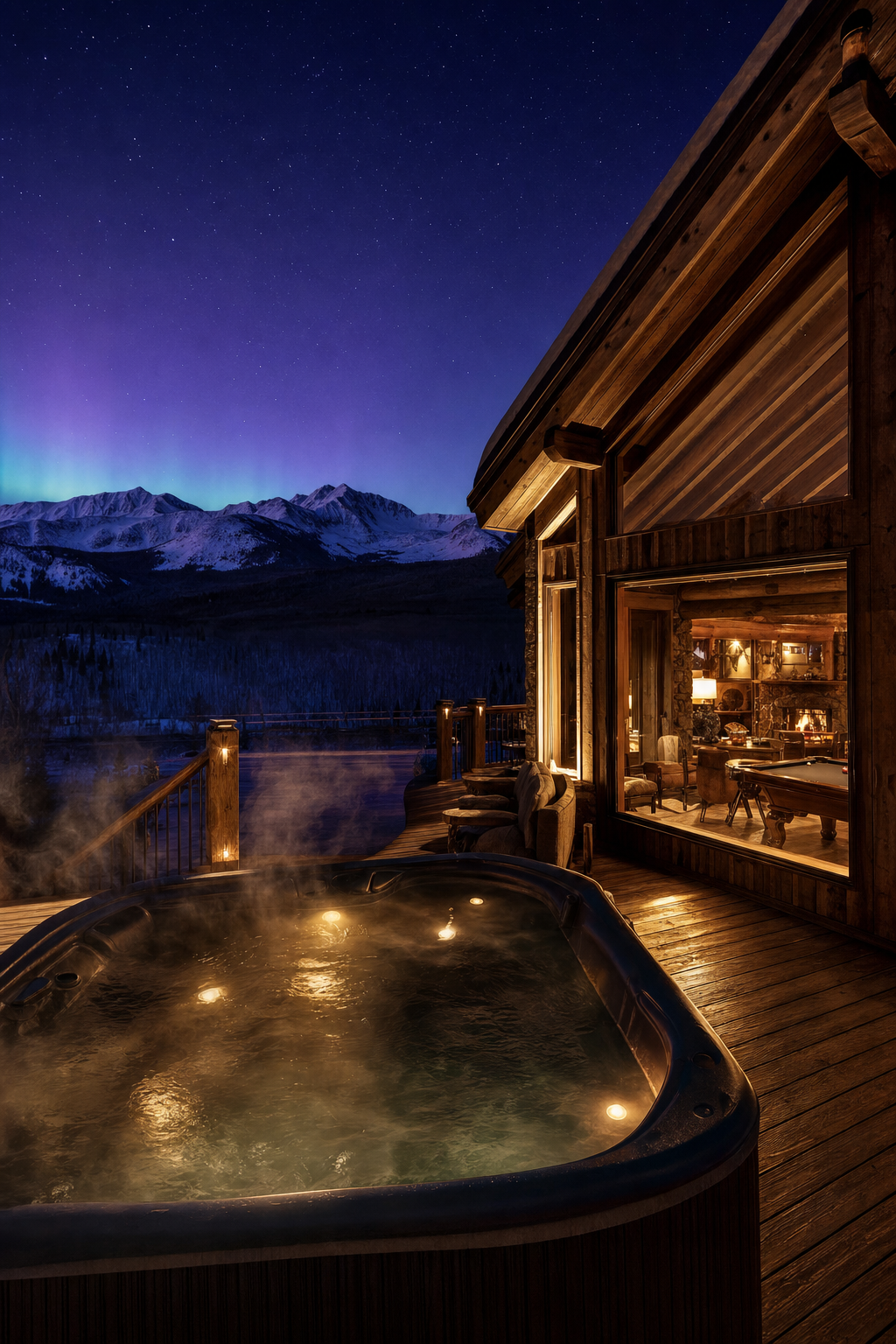
Navigating the Decalibron Loop, which summits Mt. Democrat, Mt. Cameron, Mt. Lincoln, and Mt. Bross, requires strict adherence to timing. These peaks are entirely above the treeline, providing zero cover from the elements. Staying at our Premier Alma Colorado vacation rental gives you a significant logistical advantage; the Kite Lake trailhead is only six miles from the lodge. While hikers staying in Breckenridge or Fairplay must factor in lengthy mountain drives, guests at Bearview Lodge can reach the trailhead within twenty minutes.
To prioritize Colorado summer thunderstorms hiking safety, plan to begin your ascent between 5:00 AM and 6:00 AM. This early start ensures you have sufficient time to navigate the 7.5 mile loop and return to the trailhead before the typical 1:00 PM storm window. The terrain consists primarily of loose scree and exposed alpine tundra. If a storm develops while you are traversing the high ridge between Mt. Lincoln and Mt. Bross, there is no physical shelter available. Consult our Beginner Guide to Hiking Your First Colorado 14er for specific route data, but treat the noon descent as a non-negotiable deadline. Following these specific mountain protocols, as noted in the Bearview Lodge Guest Guide, is the best way to enjoy these four summits safely.
How to Prevent Altitude Sickness When Visiting Alma
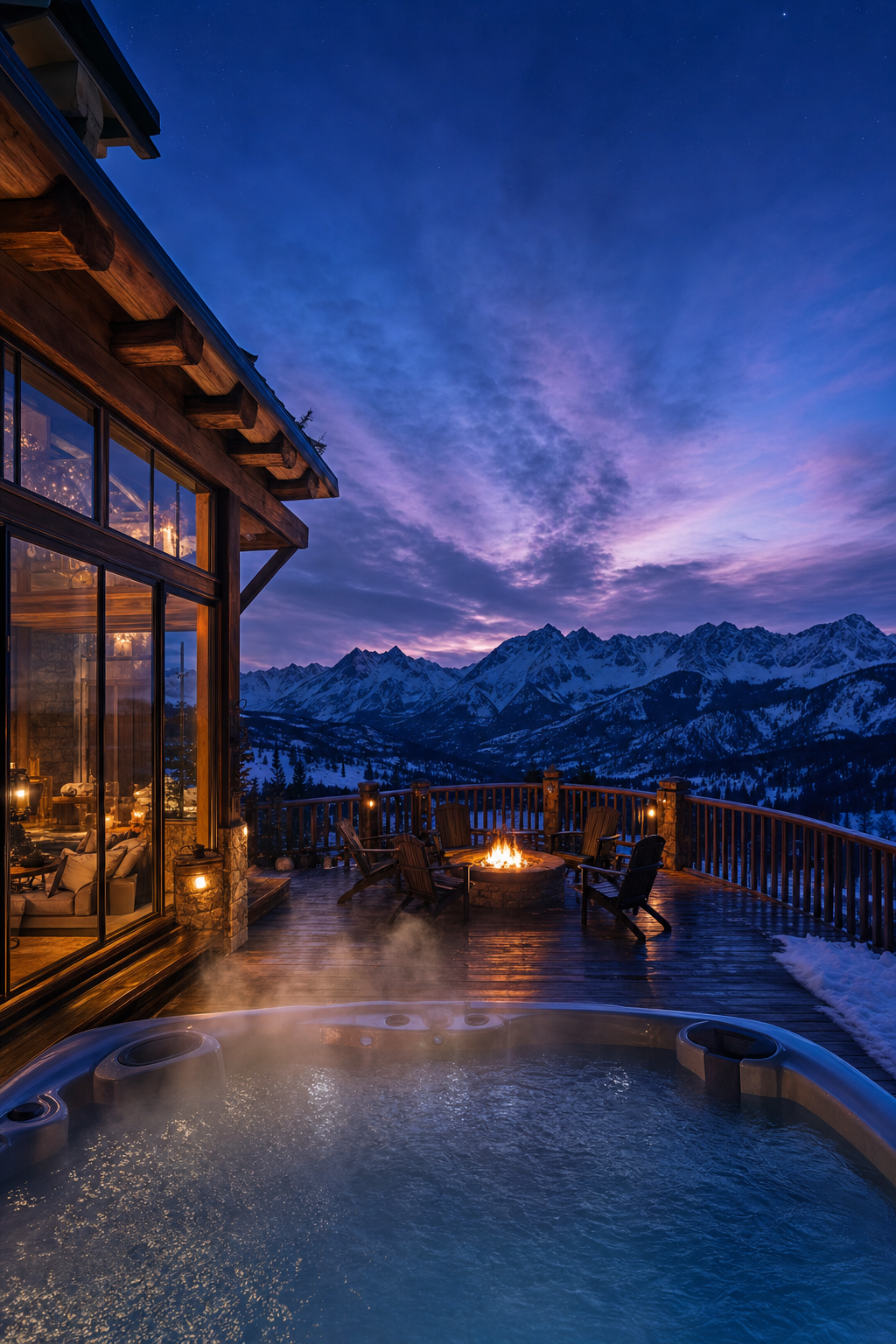
Success on the trails depends as much on physiological preparation as it does on Colorado summer thunderstorms hiking safety protocols. Staying at Bearview Lodge places you at 10,578 feet, an elevation significantly higher than Denver or even Breckenridge. At this height, the air pressure is lower, meaning there is less oxygen available with every breath. Most bodies require 24 to 36 hours to fully adjust to the thin air. Neglecting this adjustment period can lead to Acute Mountain Sickness (AMS), characterized by persistent headaches, nausea, dizziness, and extreme exhaustion.
To mitigate these risks at our Premier Alma Colorado vacation rental, follow these expert guidelines:
Hydrate Proactively: Drink at least double your typical daily water intake. High altitude is incredibly dry, and your respiratory rate increases, leading to rapid fluid loss.
Replenish Electrolytes: Supplement water with potassium and sodium to maintain cellular function.
Monitor Consumption: Limit alcohol for the first 48 hours, as it is a diuretic and can exacerbate dehydration while masking symptoms of altitude sickness.
Prioritize Rest: Sleep is when your body produces more red blood cells to carry oxygen. Be aware that sleeping at 10,000 feet requires more oxygen and hydration than sleeping at sea level.
We recommend spending your first full day taking it easy. Relax on the deck of the lodge or enjoy a slow paced walk down Main Street in Alma. Avoiding strenuous activity until day two or three allows your heart and lungs to stabilize. For more tips on managing high-altitude logistics, consult the Bearview Lodge Guest Guide. Taking these precautions ensures you have the stamina required for a safe, early start when you finally use our Beginner Guide to Hiking Your First Colorado 14er.
High Country Summer Packing List: Essential Gear for Alma
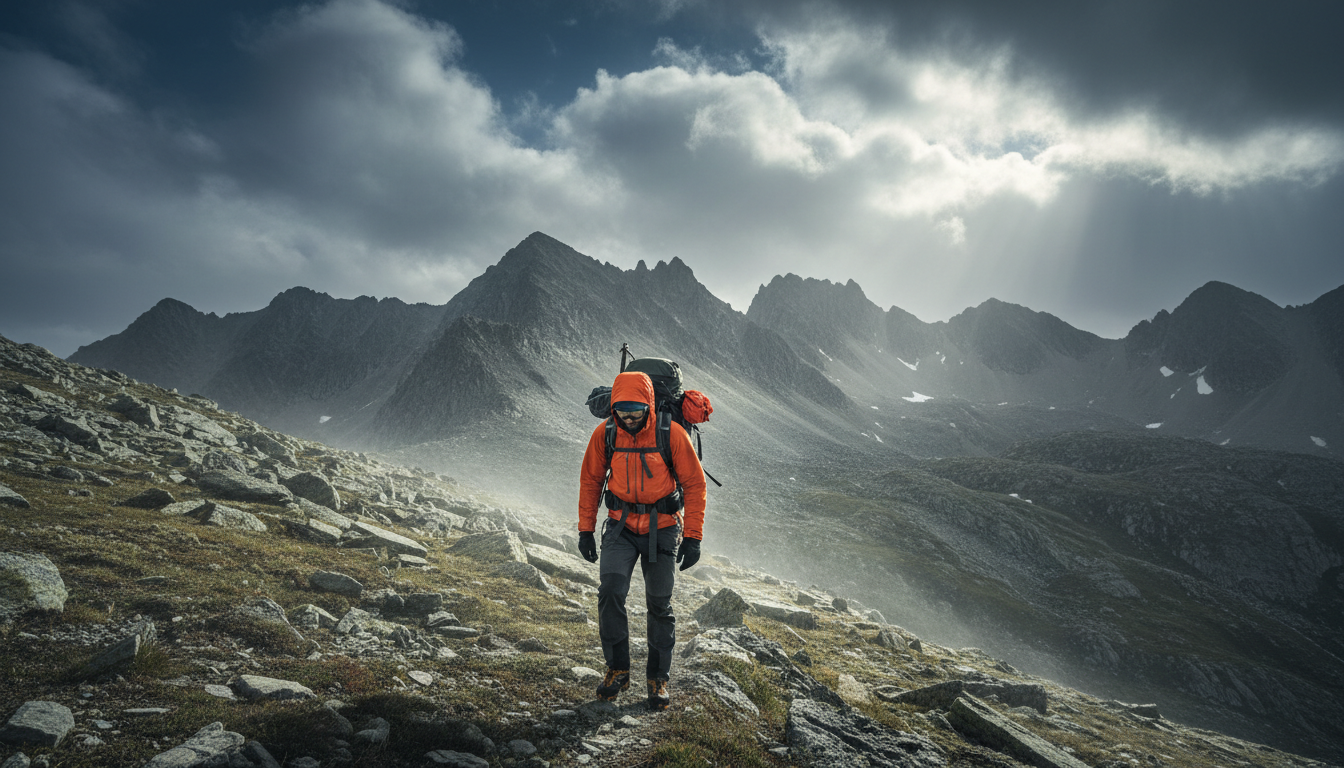
Properly managing the physiological effects of elevation requires a gear strategy that mirrors the volatility of the high country. When packing for your stay at our Premier Alma Colorado vacation rental, prioritize a technical layering system over bulky, singular items. The atmosphere at 10,578 feet is thin and provides little protection from solar radiation; UV rays are approximately 40% more intense here than at sea level. Consistent sun protection, including high-SPF lip balm and polarized eyewear, is essential even on overcast days.
Your clothing choices directly impact Colorado summer thunderstorms hiking safety. Avoid cotton entirely, as it retains moisture and accelerates heat loss if you are caught in a sudden downpour. Instead, pack the following essentials to ensure comfort during rapid weather shifts:
Moisture-Wicking Base Layers: Use synthetic or merino wool fabrics that pull sweat away from the skin.
High-Quality Rain Shell: A seam-sealed, waterproof jacket is required to block the wind and heavy rain typical of the 1:00 PM to 3:00 PM monsoon window.
Packable Puffer Jacket: Even in July, temperatures frequently drop into the 40s immediately after sunset or during an active storm cell.
Sturdy Footwear: Technical shoes or boots are necessary for the loose scree described in our Beginner Guide to Hiking Your First Colorado 14er.
A more comprehensive inventory of recommended mountain gear is available in the Bearview Lodge Guest Guide to help you prepare for the unique climate of the Mosquito Range.
What to Do at Bearview Lodge During a High Country Storm
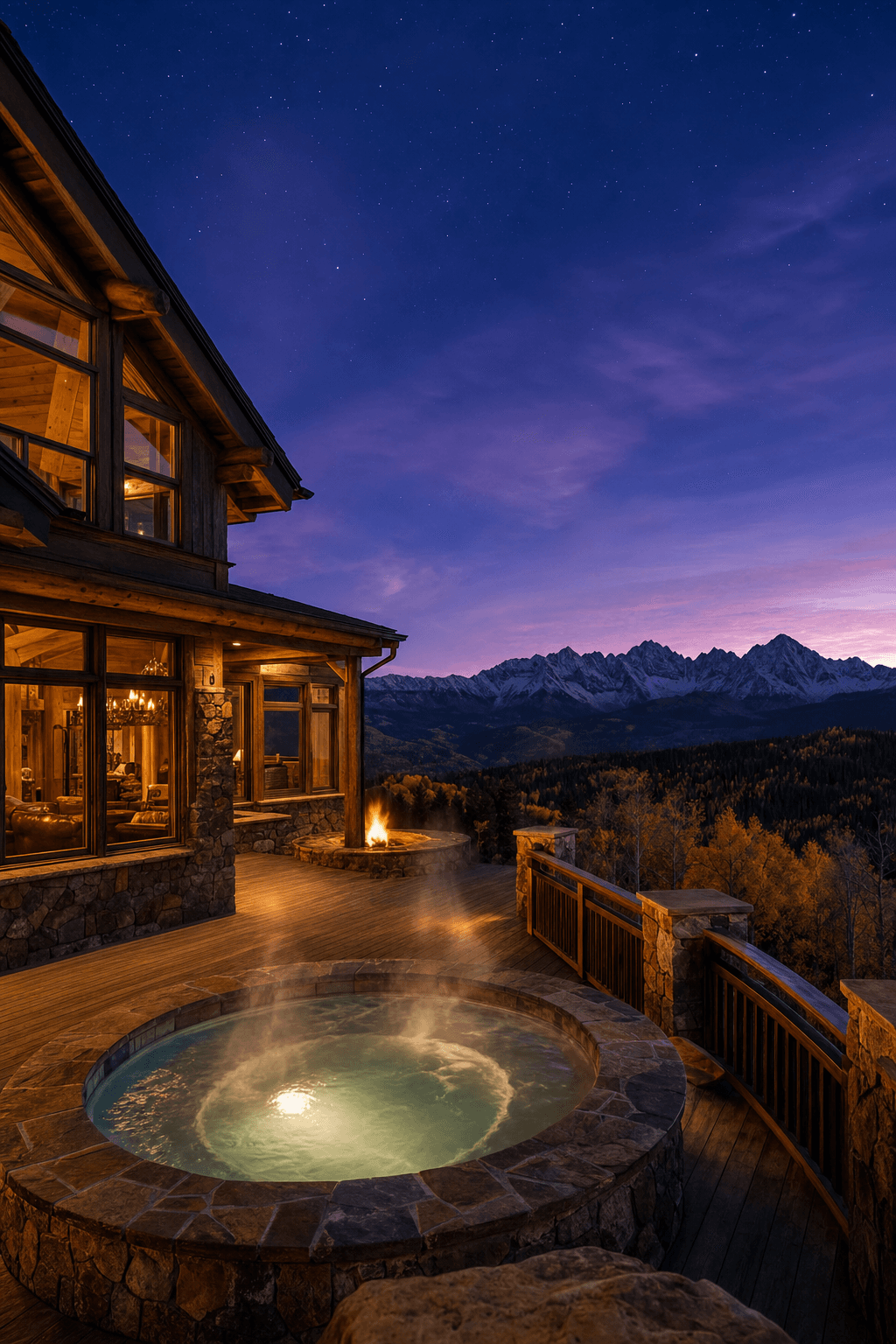
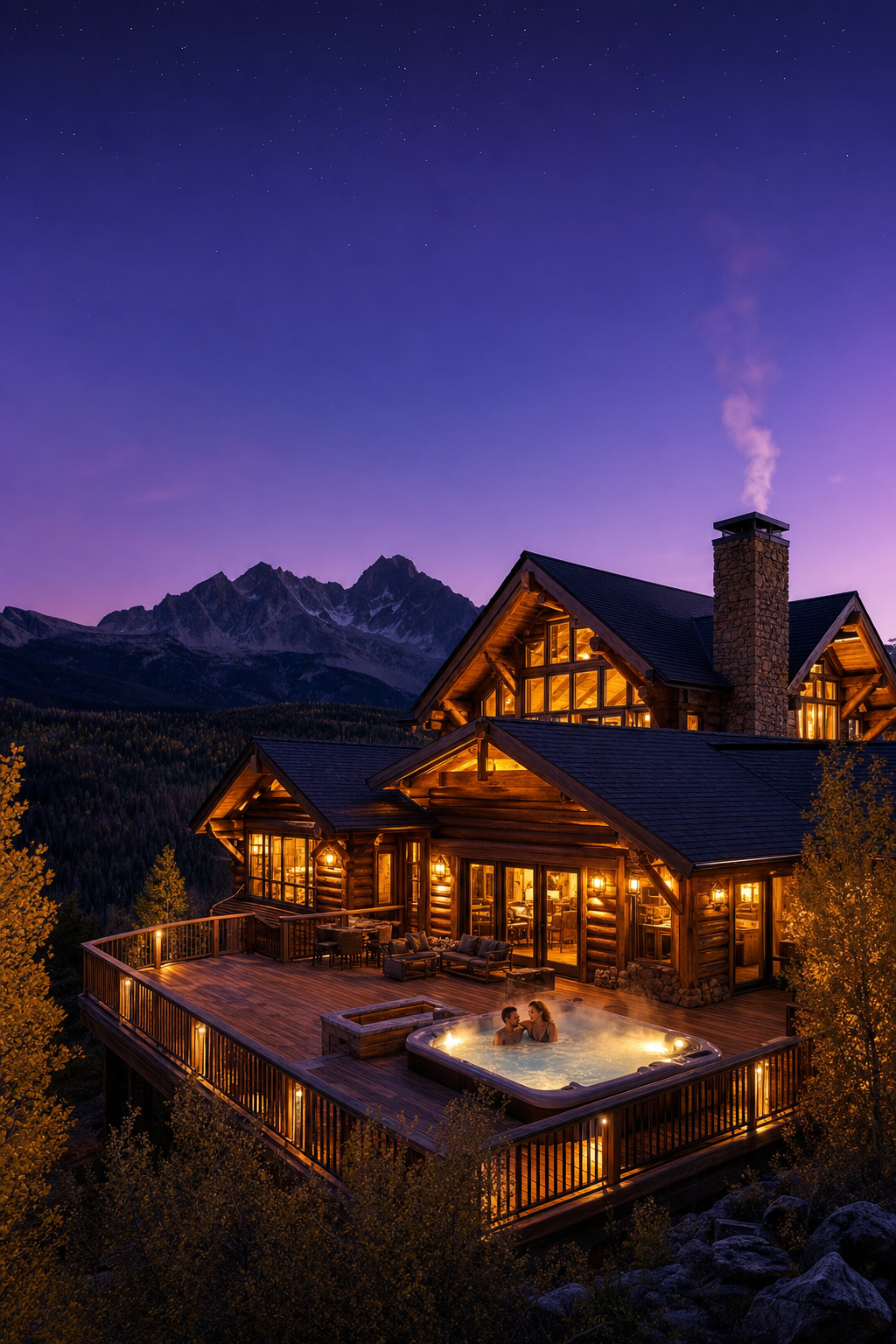
Once you have adhered to the noon rule and returned safely from the trail, the arrival of a monsoon cell becomes a spectacle rather than a hazard. Staying at this Premier Alma Colorado vacation rental allows you to witness the raw power of the high country from a position of total comfort. The 1,000 square foot wrap-around deck provides a panoramic view of the Collegiate Peaks, where you can watch clouds stack and gray curtains of rain sweep across the valley. Observing these atmospheric patterns from the safety of the lodge reinforces why Colorado summer thunderstorms hiking safety protocols, like early descents, are so vital for those following our Beginner Guide to Hiking Your First Colorado 14er.
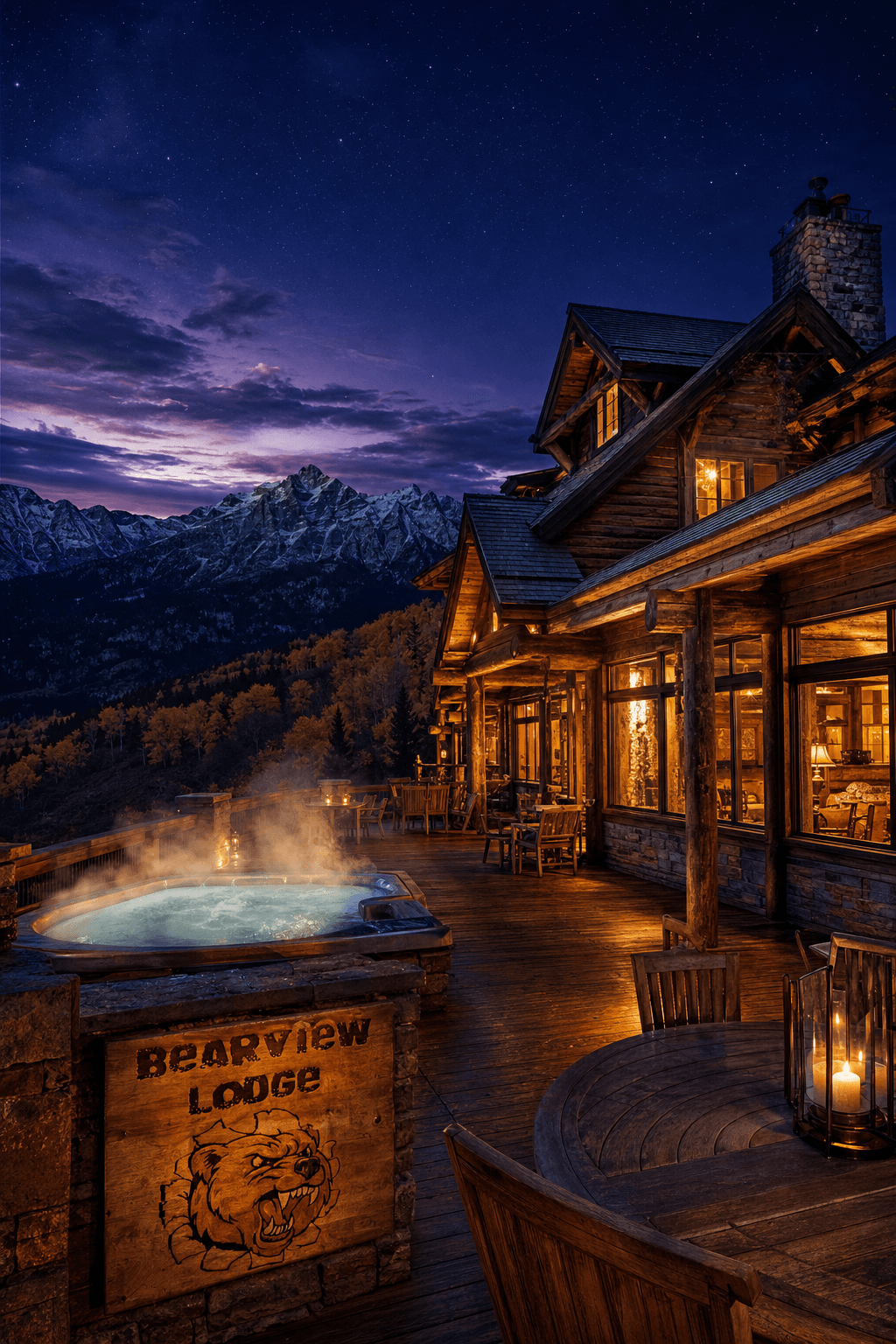
When the rain intensifies, the lodge serves as a high-altitude sanctuary. The full game room offers a space for the group to regroup and relax while the storm peaks outside. Once the 30 minute window after the final clap of thunder has passed, as recommended in the Bearview Lodge Guest Guide, the private hot tub becomes the ideal place to soothe muscles taxed by the morning's elevation gain. The air remains crisp and oxygen-rich after a downpour, offering a refreshed atmosphere that is unique to the 10,578 foot environment of Alma.
Staying safe during your summer visit to Alma requires a mix of preparation and awareness. By respecting the afternoon thunderstorms and staying mindful of the high altitude, you can enjoy everything our mountains have to offer. While self-guided trips are rewarding, managing the logistics of a high-country adventure sometimes feels daunting. If you want expert help planning your stay, you can learn more about our team and services. We are here to ensure your Colorado experience is both memorable and secure.