The best places for where to see moose in colorado include the high-elevation wetlands of Alma and South Park, as well as the Barton Creek Trailhead and Cucumber Gulch Wildlife Preserve in Breckenridge. These majestic animals are most active during the dawn and dusk hours when they feed on willow bushes near water sources. Always maintain a safe distance and use binoculars for the best viewing experience.
Many travelers head into the Colorado Rockies with dreams of spotting a moose, only to find themselves stuck in traffic or staring at empty willow thickets. It is frustrating to spend your limited vacation time searching for wildlife in all the wrong places. Understanding exactly where these majestic creatures congregate is the difference between a successful outing and a day of missed opportunities. In this guide, we provide an expert look at the best locations around Alma and South Park for reliable sightings. You will learn about the prime corridors near Fairplay, the seasonal movements along the Breckenridge loop, and how to observe high altitude species like mountain goats. We also share critical safety protocols for interpreting moose behavior and explain how you can enjoy world class wildlife viewing directly from the expansive deck at Bearview Lodge.
Why Alma and South Park are the Ultimate Wildlife Basecamp
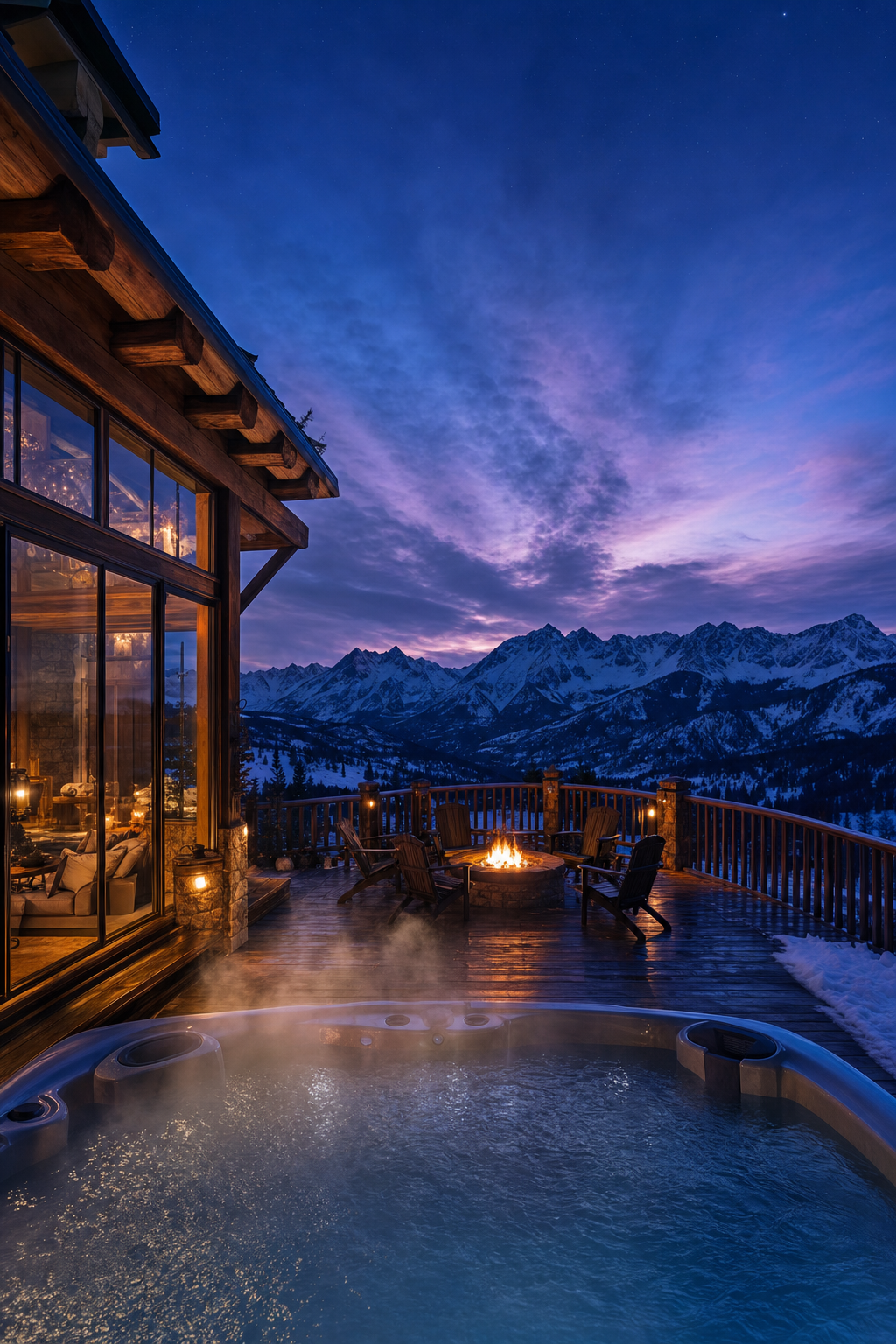
While many travelers flock to the bustling streets of nearby resort towns to catch a glimpse of local fauna, seasoned observers know that true high-country immersion begins at 10,578 feet. Alma sits at a significantly higher elevation than neighboring hubs, placing you directly within the primary habitat of species that thrive in the thin air. When looking for where to see moose in Colorado, the quiet expanse of the South Park valley offers a distinct advantage. Reduced foot traffic and lower vehicle noise create an environment where wildlife feels comfortable remaining active beyond just the dawn and dusk hours.
The Bearview Lodge vacation rental experience starts with this sense of stillness. Because the property is situated on the edge of expansive wilderness corridors, it is common for mule deer, elk, and occasionally moose to cross the grounds during their daily migrations. This proximity to the Collegiate Peaks ensures you are not just visiting a viewing area but living within a natural transit zone. Choosing premier Alma Colorado accommodations allows you to bypass the crowds and observe animals in their undisturbed state, providing a more authentic and sophisticated wildlife encounter than the busier preserves located at lower elevations.
Best Places to See Moose in Colorado Near Fairplay and Alma
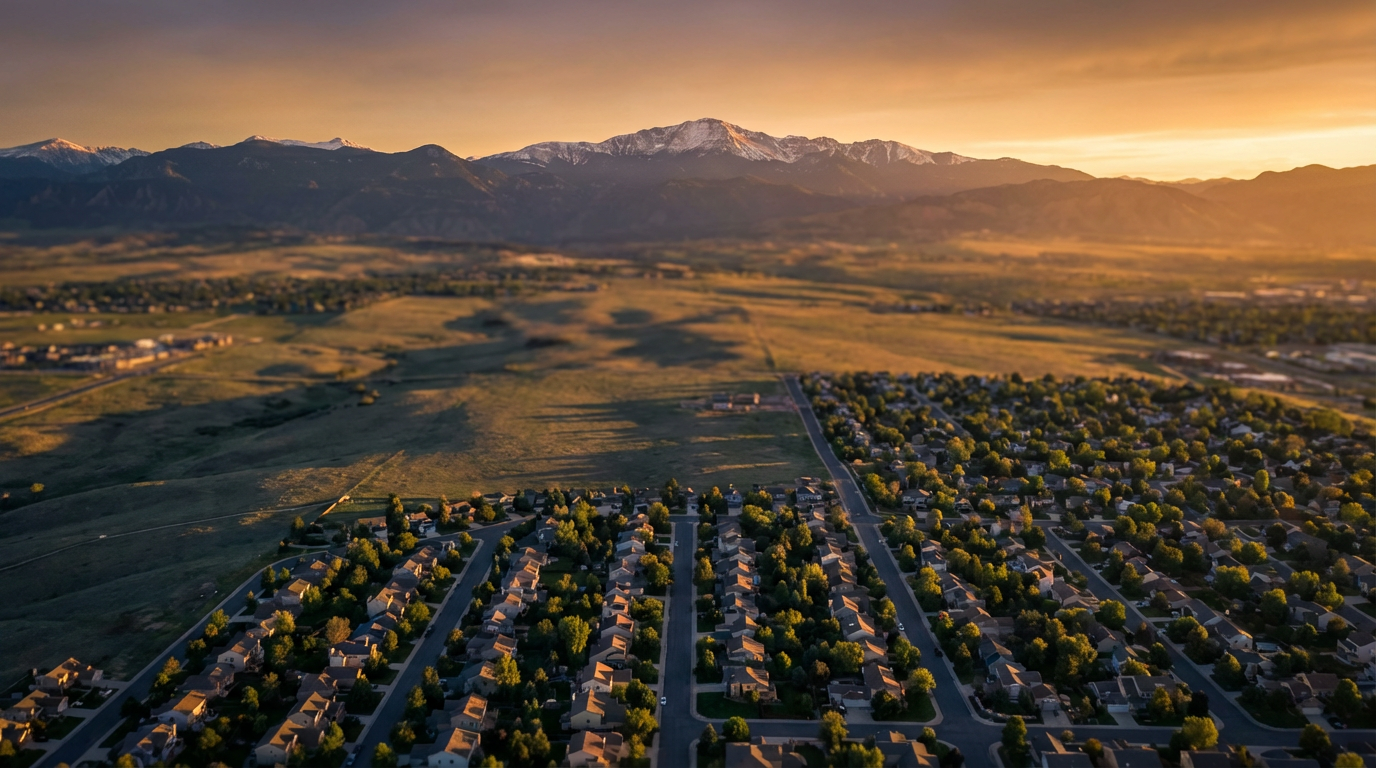
Finding where to see moose in Colorado often requires looking toward the water. Between Fairplay and Alma, the Middle Fork of the South Platte River serves as a vital corridor for Shiras moose. This sub-species gravitates toward the dense, sub-alpine willow thickets that line the riverbanks and seasonal marshes. These plants are the primary food source for moose, which can consume up to 70 pounds of vegetation daily.
The outskirts of Fairplay, particularly the low-lying wetlands where the river meanders through the South Park valley, offer some of the most consistent sightings. As you drive the Highway 9 corridor, scan the riparian zones where the willows appear thickest. Moose are massive creatures, with bulls weighing up to 1,200 pounds and standing 6 feet at the shoulder; yet, their dark coats blend remarkably well into the deep shadows of the brush.
Strategy is key when distinguishing between the flats of the valley and the higher creek drainages. In the open flats, moose are often seen standing knee-deep in water or browsing in plain view during the cooler hours of dawn and dusk. Because the landscape is expansive, you can often spot them from a significant distance, which is ideal for ethical viewing. Conversely, in the higher creek drainages near Alma, moose utilize the steep terrain and timber for thermal regulation, moving into the thick woods during the heat of the day.
To maximize your success while maintaining essential high-country hiking safety standards, use high-quality optics to scan the willow tops for the rhythmic movement of ears or the pale palmation of antlers. Successful observation in these high-altitude wetlands requires stillness; a moose may remain stationary for long periods while submerged in a willow patch, only becoming visible when it lifts its head to check its surroundings. This patient approach ensures you witness their natural behavior without triggering their defensive instincts.
High Altitude Wildlife: Mountain Goats and Bighorn Sheep on the 14ers
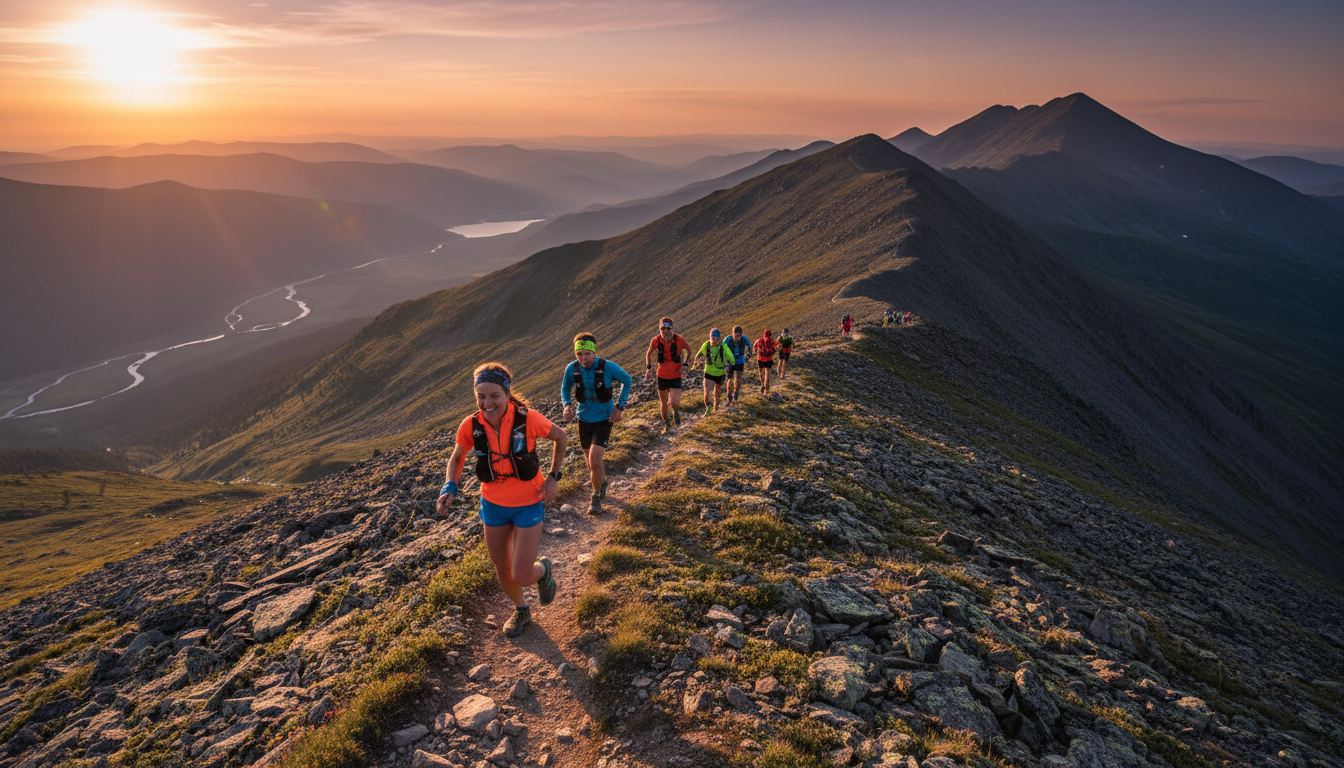
While the valley floor is the primary destination for those asking where to see moose in Colorado, the soaring peaks surrounding Alma offer a completely different category of wildlife observation. The Decalibron Loop, comprising Mounts Democrat, Cameron, Lincoln, and Bross, provides immediate access to the high-alpine tundra and rocky scree slopes above timberline. Here, the landscape belongs to mountain goats and bighorn sheep, species specifically adapted to the sheer cliffs and thin air above 13,000 feet.
Mountain goats are frequently spotted on the vertical rock faces of Mount Lincoln and Mount Bross. Look for distinctive white patches that remain stationary against the gray granite; these are often goats resting on narrow ledges. Bighorn sheep prefer the slightly lower, grassier alpine benches and rocky outcrops. To identify them, scan the slopes for their tan coats and white rumps, which camouflage perfectly against the high-country landscape.
A short drive from our premier Alma Colorado accommodations places you at the Kite Lake trailhead, the gateway to these high-altitude sightings. Success in spotting these animals requires scanning the skyline with quality optics, as they often navigate terrain that appears impassable to humans. Unlike the moose in the willow thickets, these high-country inhabitants are most active in the middle of the day when the sun warms the rocky slopes.
The Breckenridge Loop: Day Tripping for Moose and Foxes
Descending from the rocky summits back toward the town of Breckenridge offers a different perspective on where to see moose in Colorado. While Alma provides a secluded wilderness experience, the designated wildlife preserves in the neighboring valley offer a higher density of predictable sightings due to protected habitats. This area is easily accessible as a day trip, located only 25 to 30 minutes from our premier Alma Colorado accommodations.
The Cucumber Gulch Wildlife Preserve is perhaps the most notable destination for riparian species. This 188 acre wetland complex acts as a vital corridor for Shiras moose, beavers, and the rare boreal toad. Because it is a strictly managed preserve, the animals here are accustomed to a baseline of human presence, often making them less skittish than those found in the deep woods of the Collegiate Peaks. Similarly, the area around the Breckenridge Nordic Center remains a consistent hotspot for moose throughout both summer and winter, as the trail systems intersect primary browsing grounds.
For those interested in smaller predators, the Barton Creek Trailhead is a reliable location for spotting red foxes and various hawks. The foxes in this corridor are particularly active near the forest edges. While these locations experience more foot traffic than the trails in South Park, their status as protected zones ensures a high success rate for observers. When visiting these busier areas, following essential high-country hiking safety protocols is critical; stay on marked paths to protect the delicate wetland ecosystems and maintain at least 75 feet from any wildlife to ensure a sophisticated and respectful viewing experience.
Watching the Elk Rut in South Park
As the aspens transition to gold in September and October, the focus in the high country shifts from riparian moose habitats to the expansive meadows surrounding Fairplay. This period marks the elk rut, a significant seasonal event where massive herds congregate in the open flats of South Park. While those seeking where to see moose in Colorado often stick to the willow thickets, the elk provide a different auditory and visual experience during these peak months.
The bugling of bull elk is the hallmark of the fall season. This haunting, multi-tonal vocalization echoes across the valley as bulls compete for dominance. South Park offers a distinct advantage for observers compared to the dense timber of Summit County; the vast, treeless stretches of the valley floor provide unobstructed sightlines for miles. You can witness natural herd dynamics from a distance without the visual interference of thick forest cover.
Peak activity occurs during the cooler hours of early morning and late evening. Guests staying at our premier Alma Colorado accommodations find that a short drive toward the southern end of the valley provides front row access to these gatherings. Maintaining distance is vital during this time, as bull elk are notably aggressive throughout the mating season. Using binoculars or a spotting scope allows you to appreciate the scale of these herds, which can number in the hundreds, while adhering to essential high-country hiking safety protocols.
Essential Wildlife Safety: How to Spot Moose Aggression
Observing a Shiras moose in its natural habitat is a highlight for many visitors, but understanding the behavioral cues of these giants is the most critical component of essential high-country hiking safety. While you may be scouting the valley floor for where to see moose in Colorado, maintaining a respectful distance is paramount for both your safety and the animal's well-being. Unlike elk, which generally flee when startled, moose are notoriously territorial and can become aggressive with little warning. You must maintain a minimum distance of 75 to 100 feet at all times; a practical rule of thumb is that if the animal changes its behavior because of your presence, you are too close. Use a high-quality zoom lens or binoculars to capture the moment without intruding on their physical space.
Recognizing the subtle signs of agitation can prevent a dangerous encounter before it escalates. A moose that feels threatened will typically stop eating and stare directly at you. Watch for licked nostrils, pinned ears, or the hair on its neck and shoulders, known as hackles, standing upright. Other indicators of stress include smacking lips, clicking teeth, or tossing the head upward. If you observe these behaviors, back away slowly and immediately seek cover behind a large tree or boulder to break the animal's line of sight.
For guests traveling with pets to our premier Alma Colorado accommodations, leashing is mandatory on all trails and within the South Park valley. Moose perceive dogs as wolves, their primary natural predator, and will often go out of their way to charge a dog even if it is not barking. Keeping your dog on a short leash ensures you do not inadvertently trigger a defensive strike. Staying vigilant allows you to enjoy the wilderness surrounding Alma while ensuring these magnificent animals remain undisturbed in their high-altitude home.
Wildlife Viewing from the 1,000 Square Foot Deck at Bearview Lodge
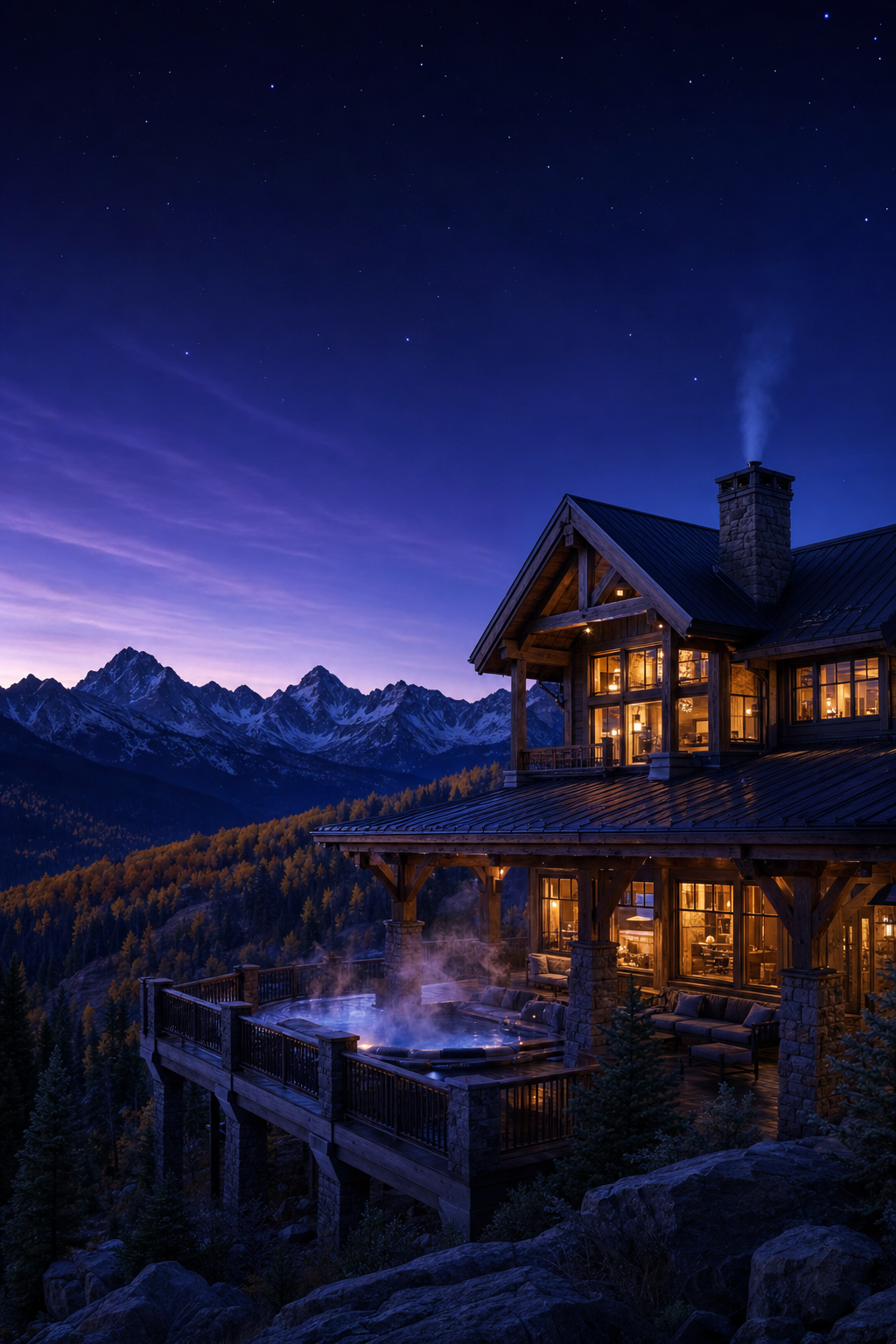
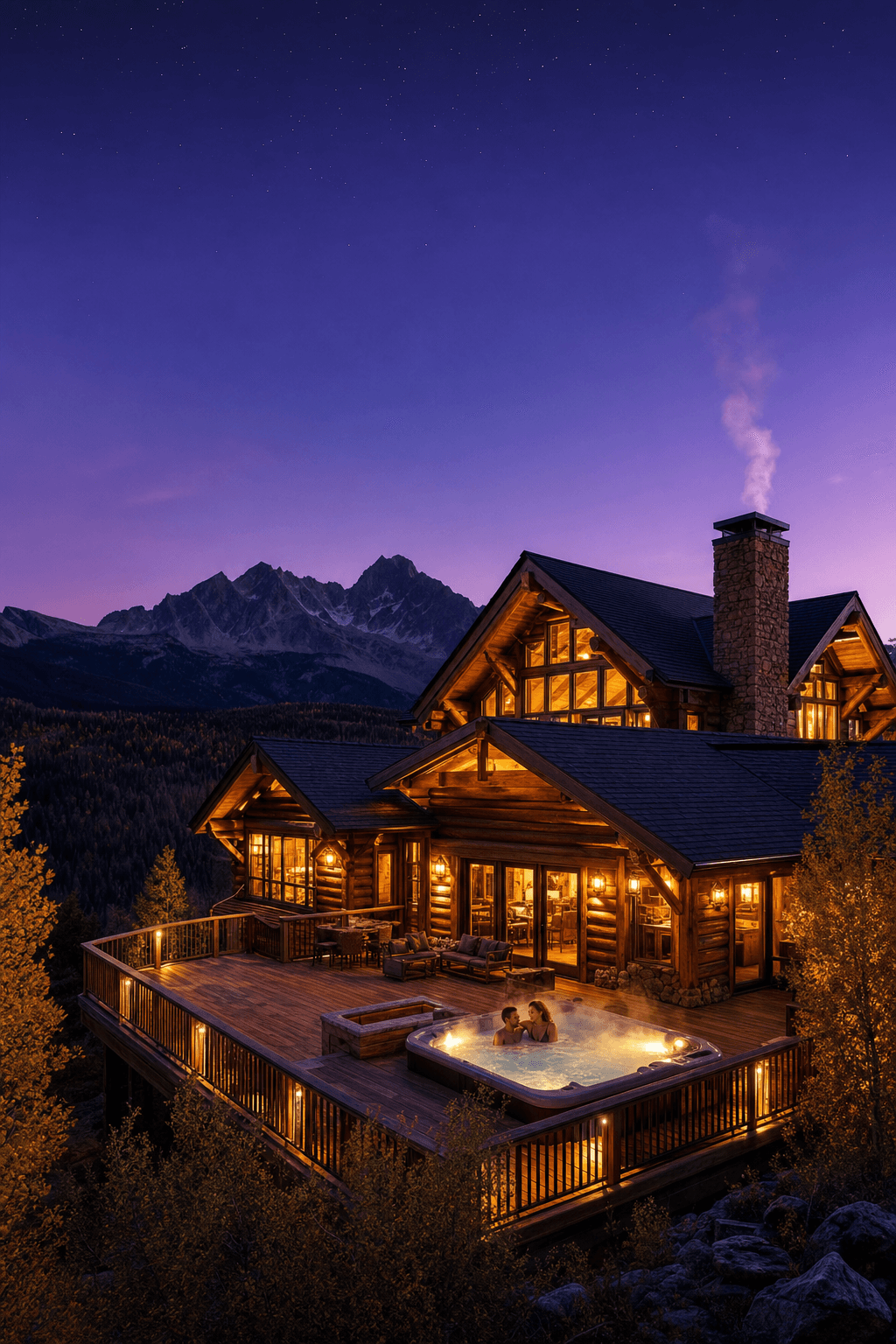
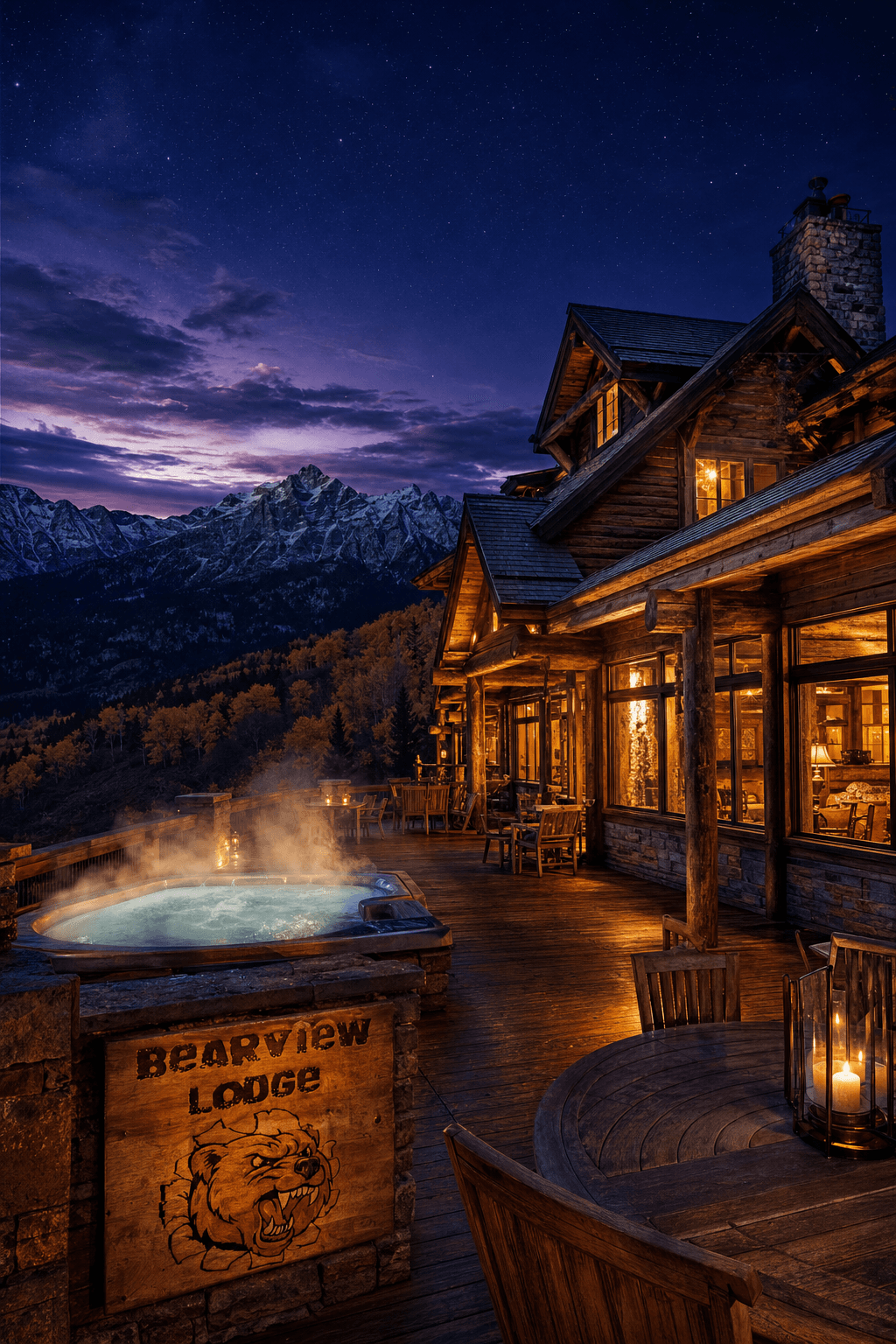
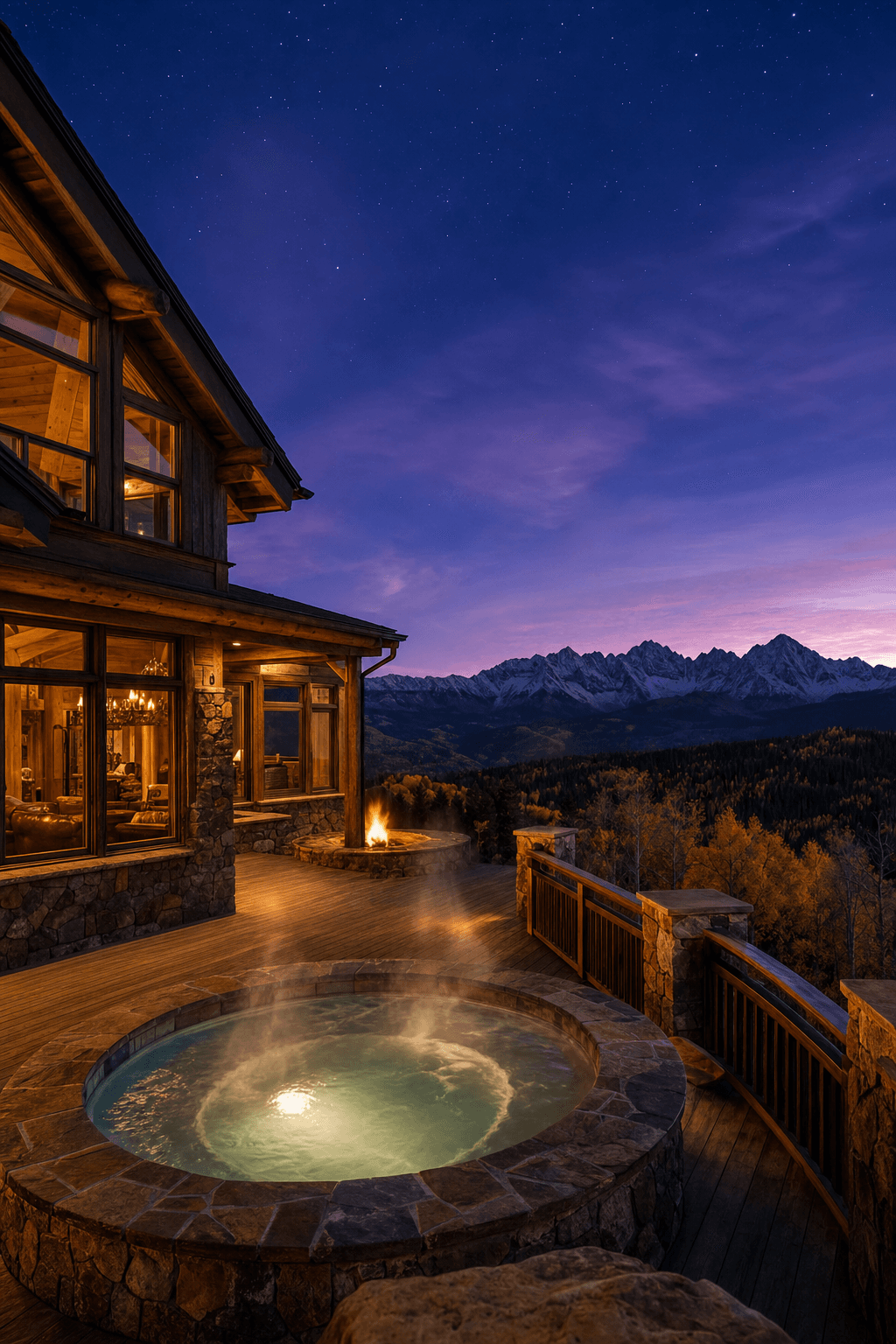
The Bearview Lodge vacation rental experience culminates on our 1,000 square foot wrap-around deck, which serves as a sophisticated observation platform. At an elevation of 10,578 feet, this private vantage point offers clear sightlines of the Collegiate Peaks, allowing guests to spot red-tailed hawks or mule deer without leaving the property. Because Bearview Lodge sits on a natural transit corridor, moose and bears occasionally wander through the surrounding timber.
This method of low-impact viewing is ideal for those wondering where to see moose in Colorado while maintaining a respectful distance. Guests can utilize the deck to photograph wildlife against the backdrop of the high peaks without the stress of an accidental encounter. Staying at these premier Alma Colorado accommodations provides a unique opportunity to witness high-altitude wildlife in their undisturbed state from the comfort of a luxury setting.