
Preventing altitude sickness colorado requires staying hydrated, limiting alcohol consumption, and ascending to high elevations gradually over several days. Visitors should spend at least one night at an intermediate elevation to acclimate; it is also important to monitor for symptoms like headaches and fatigue that usually appear within 24 hours of arrival.
Stepping out of your car at 10,578 feet in Alma should be a moment of awe, not the start of a debilitating headache. Many visitors find their long awaited Colorado adventures sidelined by the sudden onset of nausea, dizziness, or profound fatigue. These symptoms can quickly turn a luxury mountain retreat into a struggle for breath. At Bearview Lodge, we understand that your comfort depends entirely on how well your body acclimates to the thin, crisp air of the high Rockies. This guide provides a practical, expert approach to managing the physiological shifts that occur at two miles above sea level. You will learn our signature forty eight hour preparation protocol, essential nutritional adjustments, and specific recovery strategies used right here at the lodge. Our goal is to ensure you spend your time admiring the peaks rather than recovering from the ascent.
Understanding Altitude Sickness in Colorado: The Two Mile High Difference
Welcome to the highest incorporated town in North America. While many travelers are familiar with the Mile High status of Denver, Bearview Lodge sits at 10,578 feet, effectively doubling that elevation. This is what we call the Two Mile High difference. At this height, the atmosphere is considerably thinner than what most visitors are accustomed to. When you are at sea level, the air is dense and oxygen rich. In the thin air of Alma and the surrounding South Park valley, there is approximately 30 percent less oxygen available per breath than what you would find at the coast.
This physiological shift is the root cause of Acute Mountain Sickness (AMS), commonly known as altitude sickness in Colorado. AMS occurs when your body cannot adapt quickly enough to the decreased barometric pressure and lower oxygen levels. It is a natural biological response, not a reflection of your physical fitness. Even elite athletes can feel the effects when transitioning from the 5,280 foot elevation of the Front Range to the 10,000 plus feet of our mountain retreat. Understanding this environmental reality is the first step in ensuring your stay is comfortable. We encourage guests to review our digital guest guide to familiarize themselves with the specific conditions of the Collegiate Peaks before arrival. If you have specific concerns about the transition, please contact us for local tips regarding your travel itinerary.
Common Symptoms of Altitude Sickness in Colorado to Watch For
Recognizing the signs of altitude sickness in Colorado is essential because the onset is rarely immediate. Most guests feel perfectly fine when they first pull into the driveway at Bearview Lodge; however, the body begins its physiological adjustment over several hours. Typically, symptoms of Acute Mountain Sickness (AMS) manifest within 6 to 24 hours of arrival at 10,578 feet.
The most frequent indicators to monitor include: - A persistent headache that may feel like a dull throb. - Unusual fatigue or a general sense of weakness. - Dizziness or lightheadedness, particularly when standing up quickly. - Shortness of breath during minor activities, such as carrying luggage or walking up the stairs to the game room. - A sudden loss of appetite or mild nausea.
It is a common misconception that high levels of physical fitness provide immunity to these effects. In reality, even elite marathoners and seasoned hikers can experience AMS if they ascend too quickly. At elevations exceeding 10,000 feet, the reduced pressure affects everyone's cardiovascular and respiratory systems regardless of training history. If you begin to feel "off" or "under the weather" shortly after checking in, do not dismiss it as mere travel fatigue. Pay close attention to how your body responds to the thin air.
You can find more specific details on what to expect during your stay in our digital guest guide provided to all visitors. Being proactive about identifying these early signs allows you to adjust your activity level before symptoms escalate. If you have questions about the local climate before your trip, feel free to contact us for local tips.
The 48 Hour Pre Trip Preparation Protocol
To mitigate the effects of altitude sickness in Colorado, your preparation should begin at least two days before you reach the Rocky Mountains. This 48 hour protocol provides your body with a physiological head start, allowing you to arrive at Bearview Lodge with a stronger baseline.
The foundation of this strategy is pre-hydration. Increase your water intake significantly 48 hours prior to your departure. Proper hydration improves blood volume, which assists in oxygen transport throughout the body. During this period, you should also transition your diet toward complex carbohydrates. Foods such as whole grain pasta, brown rice, and potatoes are metabolically efficient, requiring less oxygen to process than heavy proteins or fats. This dietary shift ensures your system has readily available fuel that is easy to burn in a lower-oxygen environment.
Some guests find success by incorporating specific supplements into their pre-trip routine to aid acclimatization. Chlorophyll is often used to support red blood cell health, while Ginkgo Biloba is frequently cited for improving peripheral circulation. You must consult with your physician before starting any new supplement regimen to ensure safety and compatibility with your health history. Detailed packing lists and further preparation strategies are available in our digital guest guide to help you prepare for the 10,578 foot elevation. If you are traveling from sea level, please contact us for local tips to help refine your arrival schedule.
How to Avoid Altitude Sickness in Colorado During Your First 24 Hours
Your arrival in the high country marks the most critical window for preventing altitude sickness in Colorado. The most effective strategy for travelers coming from sea level is a staged ascent. Rather than driving directly from the airport to Alma, consider spending your first night at an intermediate elevation. Staying in Denver at 5,280 feet or Silverthorne at roughly 9,000 feet allows your respiratory system to begin the physiological adjustments required for higher elevations without overwhelming your system. This stepping stone approach significantly reduces the risk of developing Acute Mountain Sickness once you reach our 10,578 foot property.
Once you check in, adopt the mountaineering philosophy of climb high, sleep low. While the elevation of the lodge remains constant, the principle applies to how you manage your energy. Your body requires extra oxygen simply to perform basic metabolic functions at this height; therefore, adding the physical stress of hiking or skiing immediately can lead to a rapid onset of symptoms. For your first 24 hours at Bearview Lodge, we strongly advise against immediate strenuous activity. It is tempting to head straight to Breckenridge for world class skiing or to attempt the Decalibron Loop nearby, but overexertion during this initial period is a primary trigger for illness.
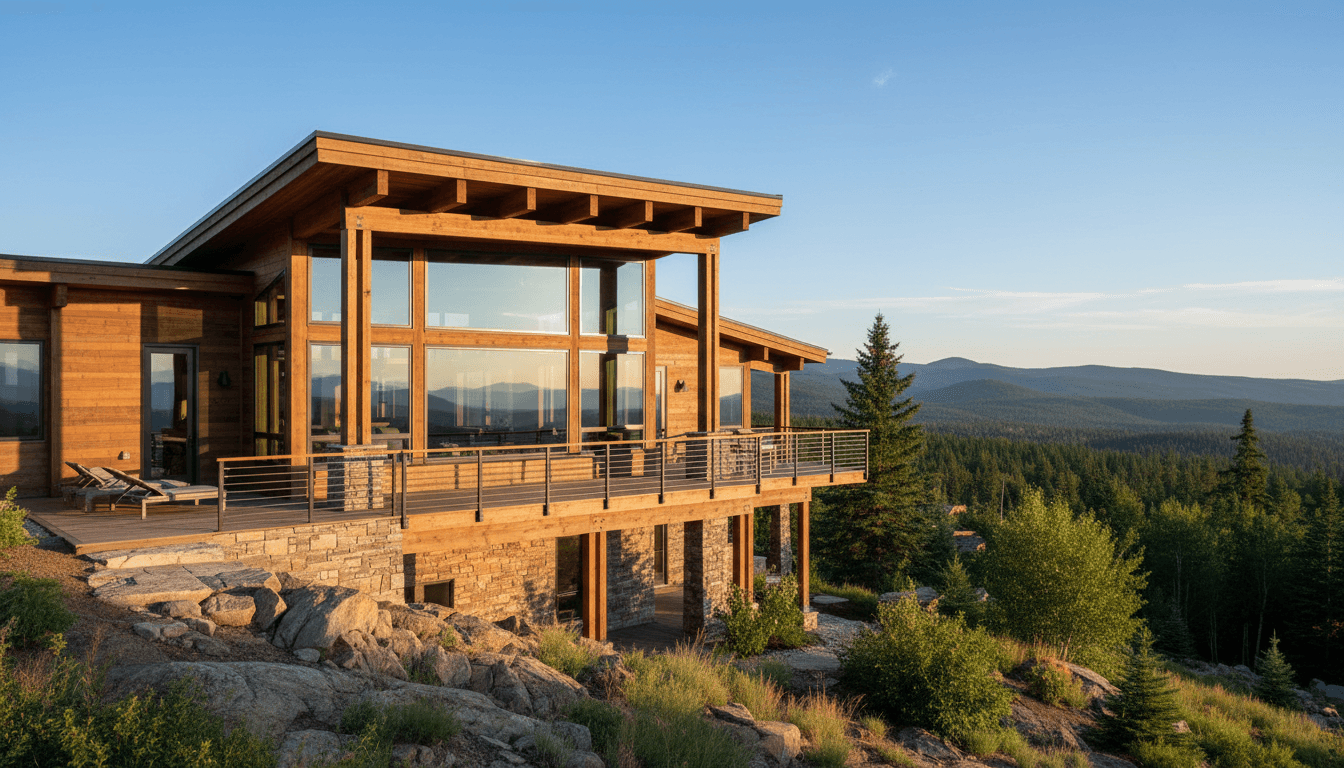
Instead, dedicate your first day to low impact relaxation. The 1,000 sq. ft. wrap-around deck at the lodge is designed for this purpose, offering panoramic views of the Collegiate Peaks that you can enjoy while your body acclimatizes. Take this time to hydrate, breathe deeply, and settle into the quiet pace of mountain life. You can learn more about Bearview Lodge and its amenities that support a restful first day. If you are planning an ambitious itinerary, please refer to our digital guest guide for suggestions on how to sequence your activities for safety. If you have questions about planning your route or intermediate stops, you can contact us for local tips to ensure a smooth transition to the high country.
High Altitude Nutrition: What to Eat and What to Avoid

Your dietary choices at 10,578 feet play a direct role in how efficiently your body processes oxygen. To combat altitude sickness in Colorado, prioritize carbohydrates as your primary fuel source. Metabolically, carbohydrates are the most efficient fuel at high elevations because they require approximately 8 to 10 percent less oxygen to metabolize compared to fats or proteins. By filling your plate with complex carbs like whole grain pasta, potatoes, and fresh fruits, you provide your system with energy that is easier to convert in a thin air environment.
In contrast, knowing what not to eat in high altitude is just as critical for your comfort. We recommend avoiding heavy, fatty meals, such as large steaks or greasy fried foods, during your first few days at Bearview Lodge. High fat intake places a significant metabolic demand on your body, diverting precious oxygen away from your brain and muscles toward digestion. Furthermore, limit your salt intake; excessive sodium can contribute to dehydration and exacerbate the headaches associated with Acute Mountain Sickness.
The most significant nutritional variable, however, is alcohol consumption. At two miles above sea level, your tolerance changes dramatically. Due to the lower oxygen levels and the way the body processes ethanol at elevation, one alcoholic drink can feel like three. Alcohol is a potent diuretic that accelerates dehydration, which is a primary trigger for altitude sickness in Colorado. We suggest waiting at least 48 hours before indulging in a celebratory drink on the deck. For more specific meal planning ideas, our digital guest guide includes information on local markets in the Alma area. If you have dietary questions before your arrival, please contact us for local tips.
Natural Remedies and Recovery at Bearview Lodge

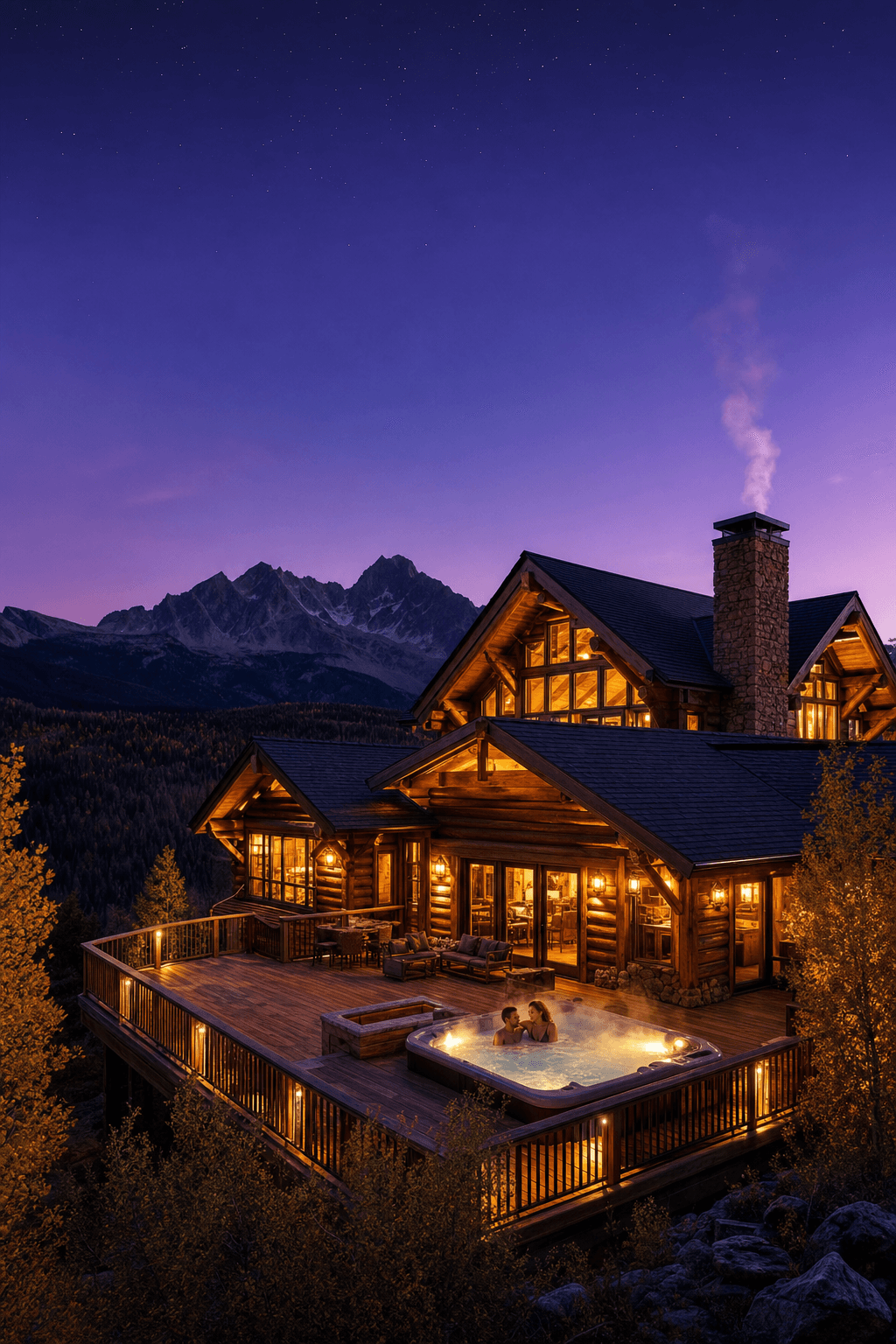
Recovery is a passive process that requires both time and the right environment. At Bearview Lodge, we have curated spaces specifically designed to help your body adapt. The private hot tub offers therapeutic benefits by relaxing tight muscles and stimulating circulation, which assists in moving oxygenated blood through your system. However, moderation is vital. Limit soak times to fifteen minutes per session because the high water temperature can accelerate dehydration, a leading contributor to altitude sickness colorado.
Low impact entertainment is your best ally during the initial adjustment period. Instead of venturing out for a strenuous hike, utilize the full game room for a quiet evening of competition. This keeps your heart rate stable while allowing your respiratory system to catch up to the 10,578 foot elevation. Quality sleep is equally important for recovery; our four bedrooms are designed as quiet retreats to help you overcome the sleep disturbances common at high altitudes. You can read more about Bearview Lodge and how our layout supports a restful stay.
For immediate, short-term relief, supplemental canned oxygen, such as Boost Oxygen, is readily available at local shops in Alma like the North Fork General Store. A few inhalations can provide a temporary boost during a bout of lightheadedness. You can find more details on local supply shops in our digital guest guide. If you need specific directions to nearby retailers upon arrival, please contact us for local tips.
When to Seek Medical Help: High Altitude Pulmonary Edema (HAPE) and HACE
While most cases of altitude sickness colorado resolve with rest and hydration, you must recognize the signs of severe complications. High Altitude Pulmonary Edema (HAPE) and High Altitude Cerebral Edema (HACE) are rare but serious conditions that require immediate action. If a guest exhibits any of the following red flag symptoms, you must begin a descent to a lower elevation immediately:
Extreme shortness of breath, even while resting.
A persistent, productive cough or chest tightness.
Disorientation, confusion, or an inability to walk in a straight line.
A bluish tint to the lips, tongue, or fingernails.
Persistent, uncontrollable vomiting.
For professional evaluation, the nearest clinic is South Park Health Care in Fairplay, located just six miles south of Bearview Lodge. For more comprehensive emergency services, St. Anthony Summit Hospital in Breckenridge is approximately 30 minutes away via Hoosier Pass. We provide detailed directions and contact numbers for these facilities in our digital guest guide. If you need assistance identifying local resources before your arrival, please contact us for local tips. Safety is the priority; never ignore worsening symptoms in the high country.